Coralli e Pesci

Why are corals important?


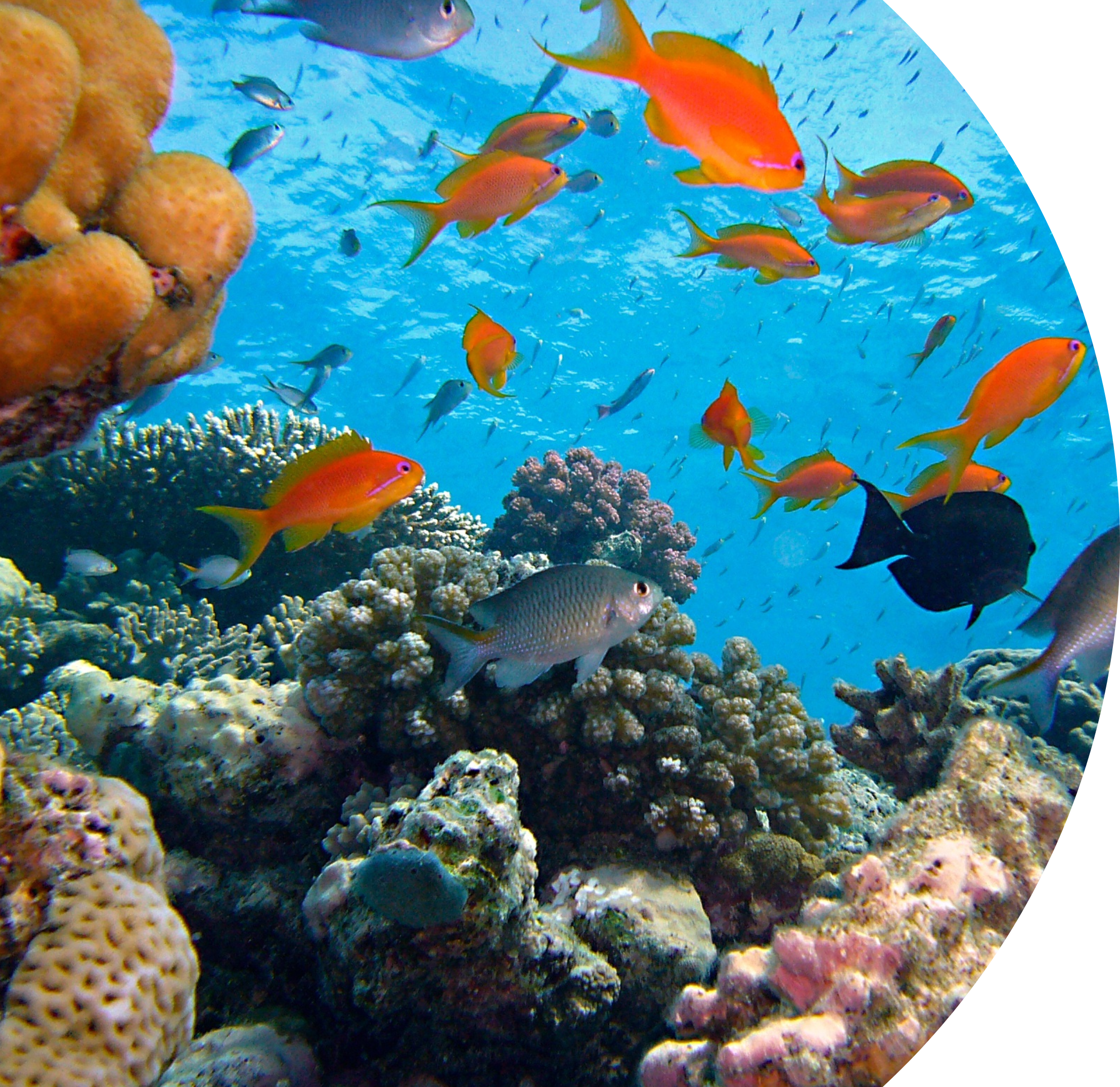
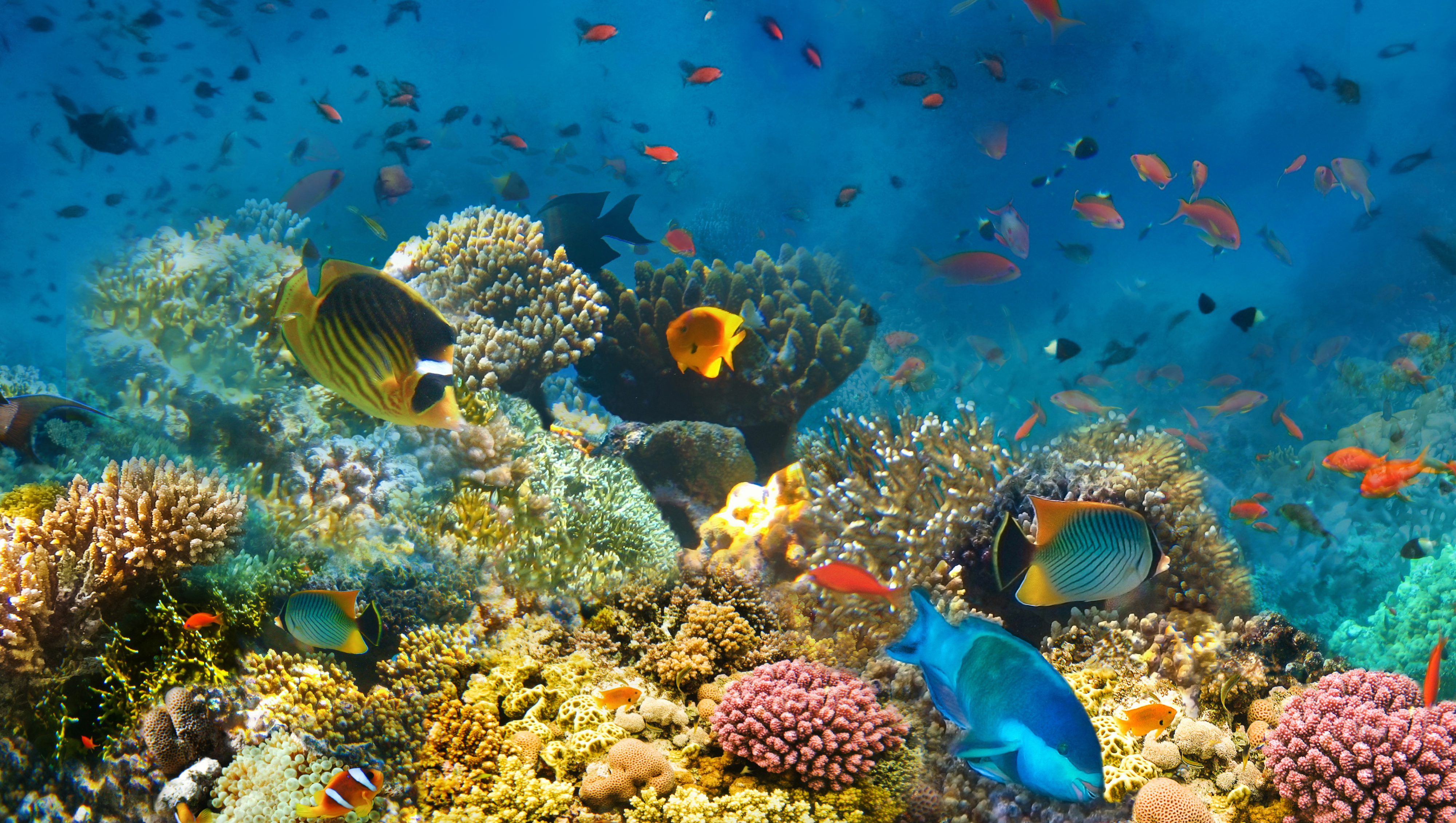
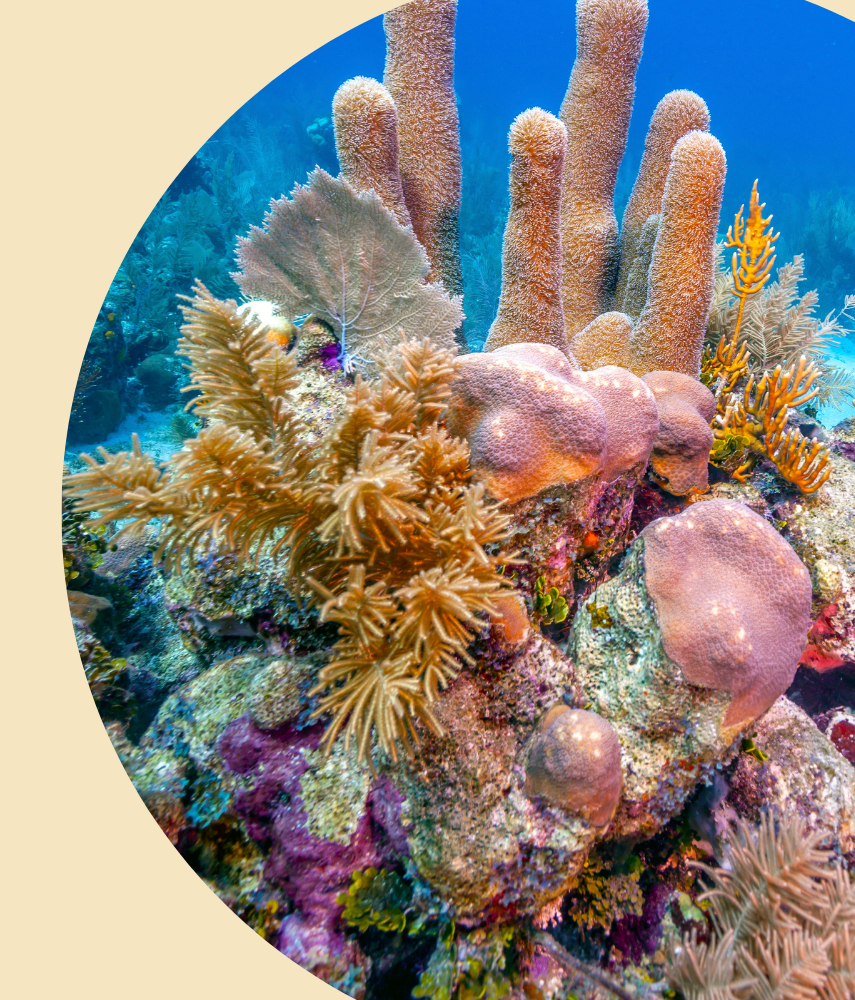
Corals play a crucial role in the marine ecosystem. They provide shelter from predators and a breeding and development site for many fish and other marine creatures. For these reasons, they are essential for marine life in tropical regions.

Coral reefs directly impact the livelihoods of millions of people around the world through fishing, and they also provide more effective coastal protection than any man-made structure against storm surges and tsunamis.

    What are corals?

    Corals are calcareous structures formed by very small animals related to jellyfish, called coral polyps .

    To protect themselves, they secrete a calcareous structure that appears like a rock.

    Coral polyps live in symbiosis with microscopic algae called zooxanthellae .

    They help each other: the algae photosynthesize and produce sugars and other substances that are used by the coral polyps for food, in exchange, they get protection thanks to the calcareous structure.
    Coralli

    What are coral reefs?

    Coral polyps very often form colonies , growing next to each other, and creating what are called coral reefs . The largest coral reef is the Australian one, which can even be seen from space.
    Coral reefs are extremely important. Even though they cover only 0.3% of the ocean surface, they support approximately 25% of global marine life .

    Where are coral reefs located?
    Mainly in the tropical and equatorial zones , this is because there are suitable physical and environmental conditions for their growth:

    • The temperature always above 20 degrees but never too high.

    • A certain degree of salinity, water transparency and brightness .

    Coralli

What's happening on the Great Barrier Reef today and why?

To date this important part of marine biodiversity is
at risk. Currently, it is estimated that:

• 24% are at high risk of collapse

• 26% are at risk of long-term collapse due to human activities.

If current trends continue, 70% of the world's coral reefs will
could be destroyed by 2050. The reasons are many.

TEMPERATURE INCREASE

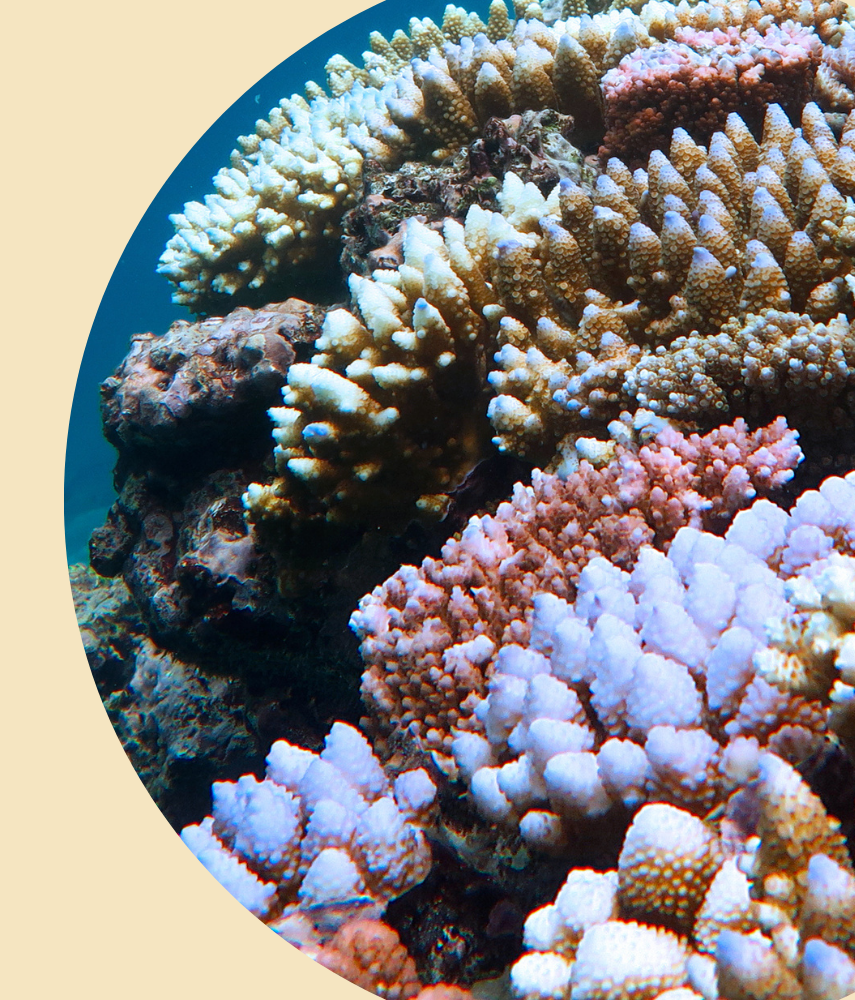
Rising average ocean temperatures are killing corals. Zooxanthellae , the algae that give coral its color and help it absorb nutrients, are leaving the limestone structure, causing a phenomenon called " coral bleaching " and killing it.

ACIDIFICATION OF WATER

Ocean acidification due to decreasing ocean pH, caused by anthropogenic carbon dioxide intake from the atmosphere, creates a hostile environment for corals.

EXPLOITATION OF AQUATIC RESOURCES

Unsustainable fishing , such as trawling , and the collection of aquatic resources for jewelry or ornamental purposes leads to the deterioration of coral reefs. In particular, drift nets settle on the seabed covering the corals and causing their death.

URBANIZATION INDUSTRIALIZATION AND TOURISM

Recreational activities, such as diving , and the use of unsustainable sunscreens, which release substances that are toxic to marine ecosystems, create hostile environments for coral growth.

DISEASES AND INVASIVE SPECIES

Corals, like other living species, are also subject to diseases that can cause their death. In addition, coral reefs also contain invasive species , such as lionfish, which are responsible for the reduction of coral populations.

Coralli

What can be done?

  • Habitat Protection Establish marine protected areas to protect sites, resources and habitats.
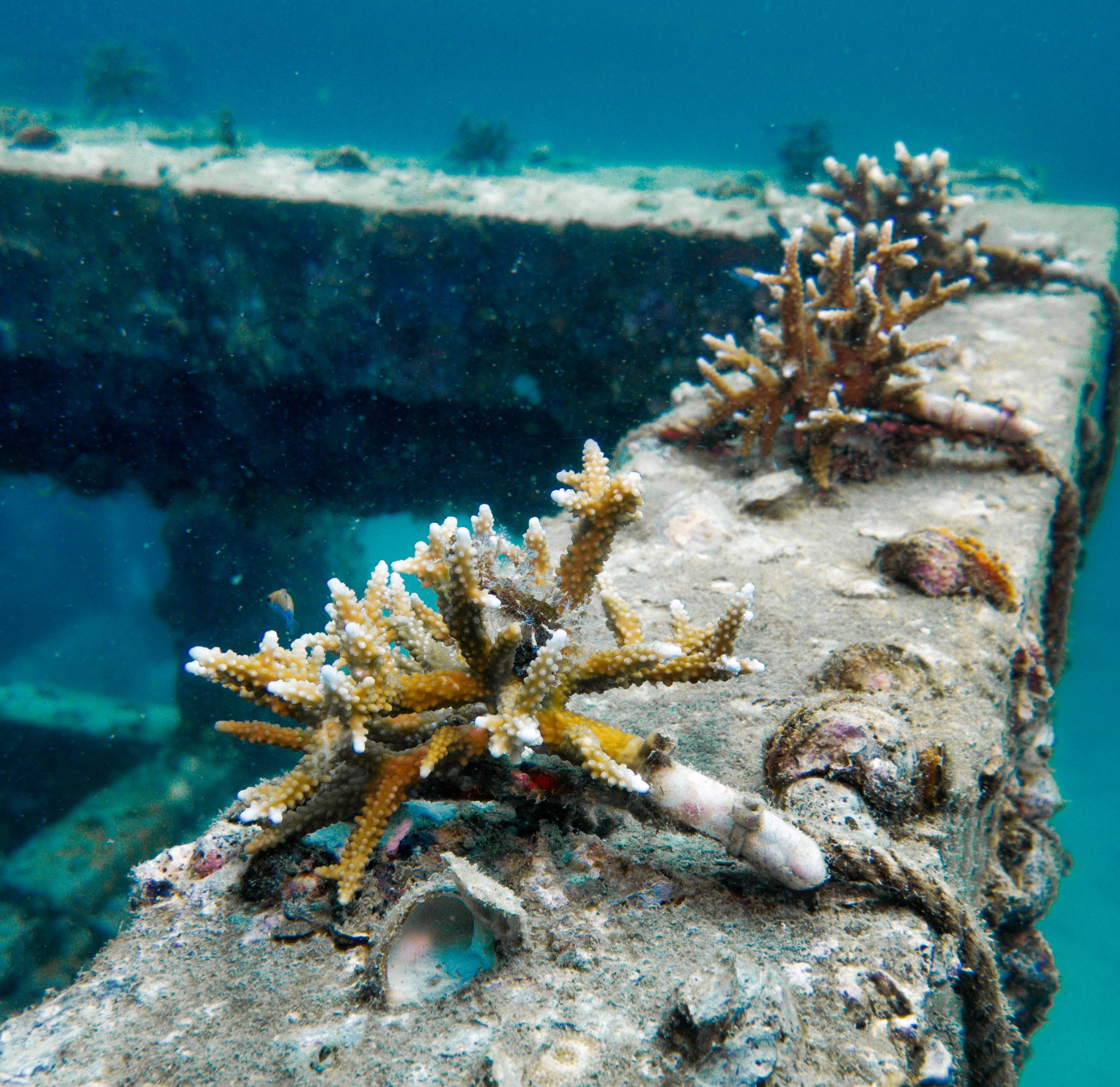
  • Coral Restoration Rebuilding coral reefs through the transplantation and maintenance of new corals in degraded areas.
  • Conservation projects Support centers specialized in coral reconstruction and protection.
  • Sustainable Shopping Choose products certified as sustainable, such as seafood (fish, shellfish, etc.), nutraceuticals (Omega-3), sunscreens, but also rely on sustainable tourism operators.
  • International Regulation International laws such as CITES must be enforced to control trade in threatened marine species, such as black and red corals.
  • Awareness raising Educating and raising public awareness through local and national campaigns and laws is essential to protecting endangered species.
Coralli  E Pesci

Coral Restoration

The project, carried out by Omegor and Firend of the Sea, aims to monitor and protect part of the Thai coral reef.

Monitoring and protection is important because, as corals are living creatures, maintenance and protection allows them to increase their survival rate and natural reproduction. This means that, as a result of monitoring and protection, the number of corals will increase.

THE PROJECT

Sustainability

Since its foundation, Omegor has had sustainability among its key principles. Over the years, we have been committed to producing sustainable products that respect the marine ecosystem, avoiding harmful practices such as trawling.

In accordance with the principle of sustainability, we have decided to take concrete action to safeguard the marine biosphere. Taking care of corals today means creating an environment in which marine fauna can proliferate, ensuring a thriving ecosystem for future generations.

Logo Friend Of The Sea

What is Friend of the Sea?

Friend of the Sea certifies that products come only from fisheries that comply with Friend of the Sea requirements for sustainable fishing, including:

• good fisheries management ;

selective fishing gear;

social responsibility .

For several years, Friend of the Sea has been involved in initiatives aimed at preserving marine species and vulnerable habitats , helping to raise awareness of the fact that many human actions, such as overfishing, destruction of natural environments, pollution, whaling and other issues, negatively affect precious marine life and ecosystems.