
Aging: Mediterranean diet fights brain atrophy and makes it 5 years younger
Mediterranean Diet: Counters Brain Atrophy and Rejuvenates It by 5 Years
The benefits of the Mediterranean diet are not limited to the cardiovascular system, diabetes, or obesity. According to a new study, following a diet rich in fruits, vegetables, fish, legumes, and low in meat could also hinder brain atrophy and cognitive aging in the elderly. The consumption of typical Mediterranean diet foods is indeed associated with a larger brain volume, equivalent to that of a brain 5 years younger compared to individuals who do not adhere to this diet.
The research, published in Neurology, the medical journal of the American Academy of Neurology, was conducted by researchers at Columbia University in New York (USA).
Characteristics of the Mediterranean Diet
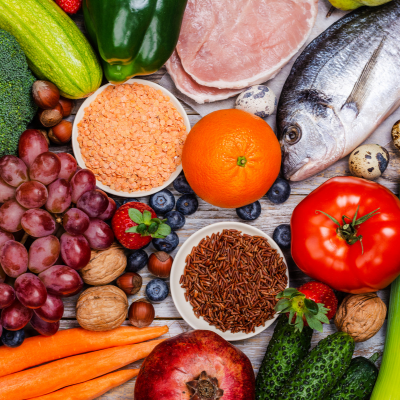
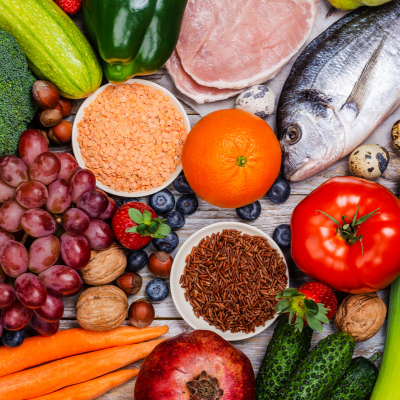
The Mediterranean nutritional model is inspired by the food traditions of countries bordering the Mediterranean Sea, mainly Italy, Greece, Spain, and Morocco. The traditional Mediterranean diet favors the consumption of plant-based foods and is characterized by abundant vegetables, cereals, legumes, fish, fruit, nuts, and olive oil as the primary source of fat.
It includes moderate consumption of meat, dairy, and eggs, and modest wine intake during meals. This dietary regime is thus characterized by a low content of saturated fatty acids, rich in carbohydrates and fiber, and high content of fatty acids important for their anti-inflammatory function.
The Mediterranean diet is not just a set of foods but involves choosing fresh products selected according to seasonality and local availability. This eating style promotes the use of typical products and protects local gastronomic traditions. In recent years, the Mediterranean diet has been extensively studied for its numerous health benefits, particularly in preventing chronic diseases.
Indeed, Mediterranean-type nutrition exerts a protective action on the heart, reducing the risk of cardiovascular diseases, and counters obesity, diabetes, high cholesterol, and hypertension. According to recent studies, it may also help combat neurological diseases such as Alzheimer’s and the cognitive decline typical of aging.
Eating More Fish and Less Meat for Less Brain Shrinkage
The aim of the researchers from Columbia University, led by Yian Gu, was to verify whether greater adherence to the Mediterranean diet was linked to brain size and the maintenance of its dimensions during aging. According to the researchers, adherence to the Mediterranean dietary pattern had to meet at least five of the nine characteristics describing this diet. Studying elderly subjects, the team showed that those who followed a Mediterranean style had larger brains than those who did not adhere, with a difference equivalent to five years of aging.
Specifically, the volumes of gray matter and white matter in the brain were 5 and 6 milliliters greater, respectively, than those measured in subjects who did not follow the Mediterranean diet. The Mediterranean diet considered in this study included a high intake of cereals, vegetables, legumes, fruit, nuts, olive oil, and low consumption of animal products except for fish, an important component of this type of diet.
Among the subjects examined, consumption of at least 100-150 grams of fish per week and no more than 100 grams of meat per day caused a significant reduction in brain cell loss, quantifiable as about three or four years of aging. The increase in fish consumption and the reduction of meat intake could be the two fundamental nutritional elements responsible for the benefits of the Mediterranean diet on brain structure.
Some Details of a Complex Study
The study involved 674 people with an average age of 80, free from dementia, who completed dietary questionnaires about the diet followed over the previous year. The research team then scanned the brains of over 650 of the selected individuals using magnetic resonance imaging. Participants were divided into two groups based on how closely their dietary habits aligned with the principles of the Mediterranean diet. Those who more strictly followed the Mediterranean style showed a total brain volume 13.11 milliliters larger than subjects in the other group. As Dr. Gu noted, the study does not directly prove that the Mediterranean diet prevents brain shrinkage but shows the existence of an association that still needs further investigation.
More Mediterranean Foods, Less Aging
In conclusion, these results demonstrate that in older adults, adherence to the Mediterranean diet is associated with less brain atrophy and loss of brain volume, making these individuals “younger” by 5 years compared to peers who do not follow the Mediterranean dietary regime. According to the researchers, these findings are exciting as they suggest it might be possible to slow brain shrinkage and the effects of aging simply by following a healthy diet rich in fruit, vegetables, and fish.
Source: Yian Gu, et al. “Mediterranean diet and brain structure in a multiethnic elderly cohort” Published online before print October 21, 2015 Neurology.


