
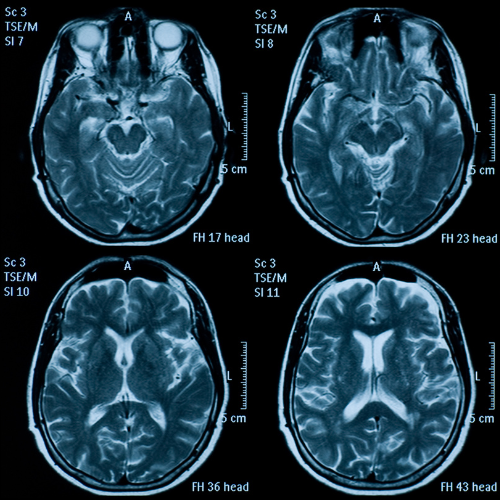
Omega-3s help B vitamins protect the brain from atrophy
Omega-3 Fatty Acids and B Vitamins: Against Brain Atrophy
Adequate levels of EPA (eicosapentaenoic acid) and DHA (docosahexaenoic acid) in the blood enhance the effect of supplementation with certain B vitamins in counteracting brain atrophy, a very common condition in the elderly.
This is reported in a study published in The American Journal of Clinical Nutrition, conducted by researchers from the Universities of Oxford (England) and Oslo (Norway).
Brain Structure and Function: The Importance of Omega-3
Omega-3s, particularly DHA which is the most abundant fatty acid in the brain, are necessary for nervous system development and the maintenance of its function, as demonstrated by numerous scientific studies.
There is a positive relationship between DHA and EPA concentrations in red blood cells and brain volume. Several studies also show that low plasma concentrations of omega-3 and homocysteine are associated with the development of brain atrophy and dementia.
The increased rate of brain atrophy is common in elderly people with cognitive impairment. The aim of the study was to investigate whether plasma concentrations of EPA and DHA can modify the effect of vitamin treatment on brain atrophy.
Elderly With Good Omega-3 Levels Responded Better to Supplements
The study involved 168 elderly individuals with mild cognitive impairment, who were daily assigned either a placebo or supplements containing high doses of B vitamins (0.8 mg folic acid, 20 mg vitamin B6, 0.5 mg vitamin B12).
Subjects underwent brain MRI scans at the start and after two years of treatment. These analyses, combined with plasma tests, showed that in subjects with high fatty acid concentrations, vitamin treatment slowed the rate of brain atrophy growth by 40.0% compared to placebo.
More precisely, a statistically significant interaction was found between plasma concentrations of B vitamins and EPA, but not with DHA. Vitamin supplementation had no significant effect on the atrophy rate among subjects with low omega-3 levels.
Interaction Between Multiple Nutrients Is Important for Brain Health
According to the researchers, these data demonstrate that the impact of B vitamins depends on omega-3 concentrations. If these are available to the brain, vitamins can help maintain its structure.
Without the right circulating amount of fatty acids, the impact of B vitamins is limited. This observation confirms, according to the authors, that when considering nutrition and health, it is important not to look at only one nutrient.
The proper function of the brain, like other organs, depends on many nutrients working together properly: DHA, B vitamins, vitamin E, and lutein. To stay updated on the latest scientific news about Omega-3 subscribe to our newsletter.
Source: Jernerén F, Elshorbagy AK, Oulhaj A, Smith SM, Refsum H, Smith AD. Brain atrophy in cognitively impaired elderly: the importance of long-chain ω-3 fatty acids and B vitamin status in a randomized controlled trial. 2015 Am J Clin Nutr doi: 10.3945/ajcn.114.103283


