
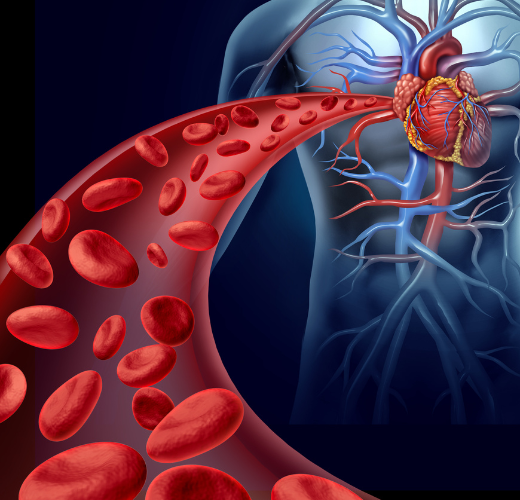
Omega-3s protect against cardiovascular disease by reducing oxidative stress
Less oxidative stress and lower incidence of cardiovascular diseases with fish oil supplements
The beneficial action of Omega 3 fatty acids EPA (eicosapentaenoic acid) and DHA (docosahexaenoic acid) against cardiovascular diseases may depend on their ability to reduce oxidative stress. This is demonstrated by a study published in Free Radical Research, according to which daily intake of 4 grams of EPA or DHA for 6 weeks reduces oxidative stress levels by about 20%.
Molecules involved in oxidative stress
The body naturally produces oxidizing molecules called reactive oxygen species. These substances play a fundamental role in many processes, but their accumulation can become harmful. Certain circumstances such as smoking habits, pollution, sun exposure, very intense physical activity, or simply aging can promote excessive production of reactive oxygen species, causing a condition known as oxidative stress. And oxidative stress can have very serious consequences, such as increased risk of cancer, Alzheimer’s disease, or various heart diseases. To verify the benefits of Omega-3 intake in terms of oxidative stress, researchers from the University of Western Australia in Perth and the University of Montpellier (France) studied their effect on the accumulation of F2-isoprostanes. These molecules derive from the peroxidation of arachidonic acid, an Omega-6 precursor of substances involved in inflammatory responses. This process is promoted by free radicals, molecules with a high oxidative power.
Omega-3 for heart and vessel health
The study involved overweight men with abnormal blood lipid levels and individuals with type-2 diabetes who were undergoing treatment to lower blood pressure. After all participants took 4 grams per day of EPA, DHA, or olive oil – which is not rich in Omega-3 – for 6 weeks, researchers measured the levels of F2-isoprostanes in their urine. Data analysis revealed that compared to olive oil, EPA reduced these compounds by 24% in overweight men and 19% in diabetics. DHA, meanwhile, reduced F2-isoprostane concentrations by 14% in obese individuals and 23% in diabetics. Moreover, plasma levels of arachidonic acid were reduced by both EPA and DHA. This, the authors explain, indicates that the effect of Omega-3 is due to a genuine reduction in oxidation.
Omega-3 counter oxidative stress
The results of this study refute previous assumptions. The particular susceptibility of these fatty acids to oxidation had led experts to believe that Omega-3 might increase oxidative stress levels. But according to the study authors, the reduction of F2-isoprostanes observed in both obese individuals and diabetics indicates that these fats reduce oxidative stress. Furthermore, other studies conducted on healthy individuals have also observed the benefits of Omega-3 on oxidative stress. Taken together, these results show that the benefits of Omega-3 apply to both healthy individuals and those with certain diseases. The new hypothesis proposed by researchers is that this antioxidant effect is at least partly due to the anti-inflammatory action. In addition, researchers suggest it is plausible that a reduction in the activity of a particular class of white blood cells, leukocytes, is also involved. The authors conclude that these data further support the benefits of a diet enriched with Omega-3 fatty acids for cardiovascular health.
Source
1. Mas E, Woodman RJ, Burke V, Puddey IB, Beilin LJ, Durand T, Mori TA, “The omega-3 fatty acids EPA and DHA decrease plasma F(2)-isoprostanes: Results from two placebo-controlled interventions”, Free Radic Res. 2010 Sep;44(9):983-90


