
Omega-3 and Atopic Dermatitis: A Natural Solution for Your Skin
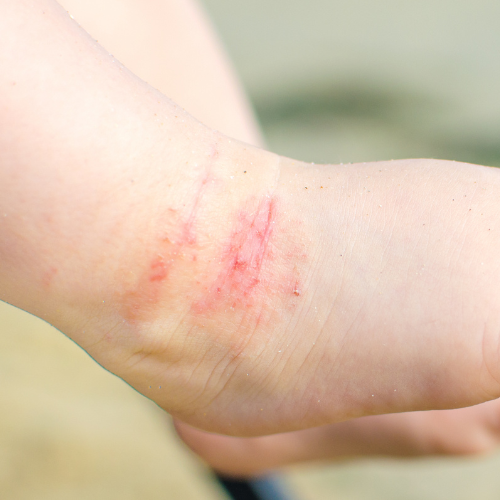
The relentless itching. Sleepless nights. The frustration of seeing your child's skin red and irritated. If atopic dermatitis is part of your life, you know how exhausting managing it can be. What if we told you that nature could offer some help?
Scientific research has focused on the benefits of Omega-3 for skin care. These essential fatty acids can indeed help alleviate the symptoms of atopic dermatitis.
Omega-3 Against Skin Inflammation
Atopic dermatitis, also known as eczema, is a common skin condition affecting many children, especially preschoolers. It can cause not only physical discomfort but also emotional stress for the whole family.
The good news is that there is a solution on the horizon, and it comes from the sea.
Omega-3s, essential fatty acids that our body cannot produce on its own and therefore must be supplemented, are powerful allies in the fight against skin inflammation. How exactly do they work? In the case of atopic dermatitis, Omega-3s work to:
Supplements for Atopic Dermatitis
You can relieve your child's itching and skin inflammation with something as simple as a dietary supplement, and we have one in particular to recommend.
Omegor TwinEFA is not just a fish oil supplement; it is the result of years of scientific research and our deep commitment to your well-being and that of your child. It has a unique formulation that combines an anti-inflammatory action, valuable for quelling the symptoms of dermatitis, with an immunomodulatory action that stimulates the immune system and increases its ability to fight pathogens. Furthermore, it is easy to take: the capsules have a pleasant orange flavor and are therefore ideal even for the little ones.
Omega-3s can truly be the perfect ally to help your child alleviate the annoying symptoms of dermatitis. However, before starting any supplementation, we always recommend consulting your pediatrician or dermatologist.


