
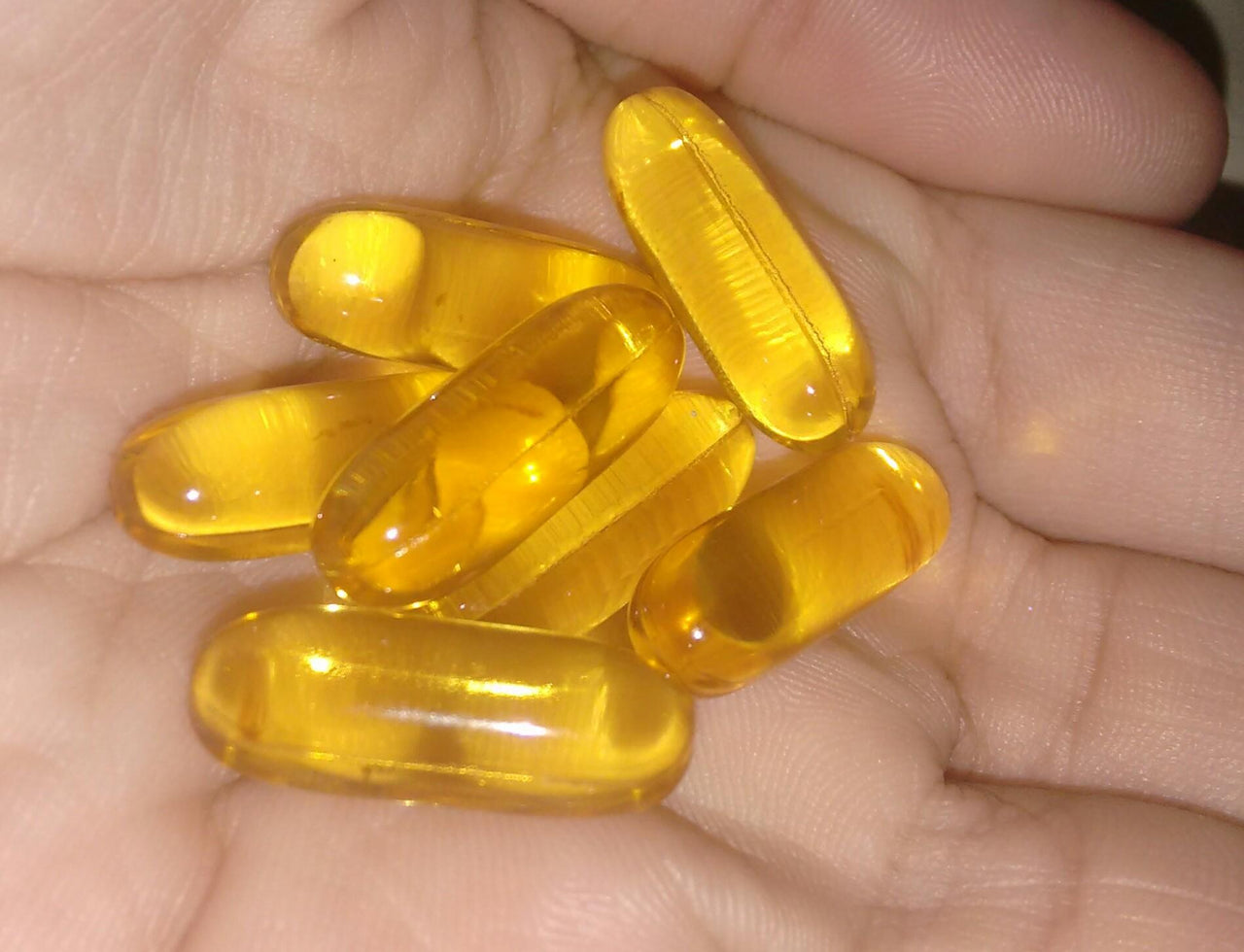
Omega-3 Supplements: DHA Fights Inflammation, Triglycerides, and Cholesterol More Than EPA
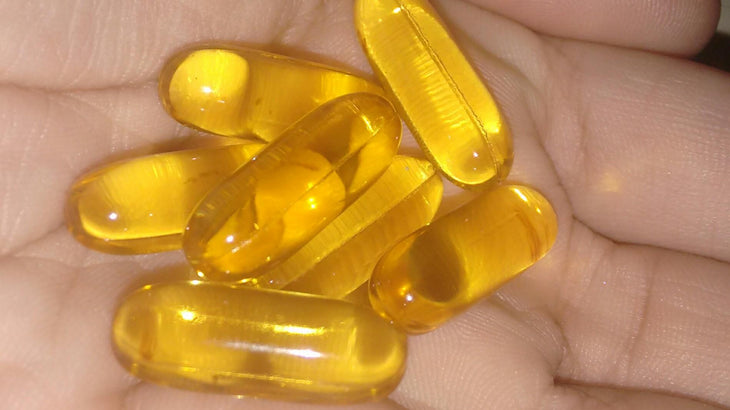
Omega-3 DHA supplements outperform EPA in controlling inflammation, triglycerides, and cholesterol
DHA is more effective than EPA in reducing inflammation and cardiovascular risk factors in healthy adults with abdominal obesity. In these subjects, supplementation with 3 grams per day of DHA for 10 weeks appears to decrease triglycerides, cholesterol, and inflammatory molecules more significantly than the same dose of EPA.
This is reported in a study by researchers from Laval University, Quebec (Canada), published in the American Journal of Clinical Nutrition.
Omega-3 reduce inflammation and regulate blood lipids
Polyunsaturated omega-3 fatty acids perform structural and functional roles in the human body, including powerful anti-inflammatory effects. Inflammation is a key factor in the development of atherosclerosis and ischemia, and scientific literature suggests omega-3 can attenuate the pro-inflammatory state linked to obesity and metabolic syndrome. The molecular mechanisms behind omega-3’s anti-inflammatory action are varied, leading to reductions in blood levels of inflammatory signaling molecules such as C-reactive protein. Most studies on omega-3 action have evaluated combined EPA and DHA effects, but recent research suggests DHA may be more potent than EPA in modulating plasma lipid concentrations that predispose to cardiovascular diseases. Hyperlipidemia, characterized by elevated blood lipids like triglycerides and “bad cholesterol” (LDL), can be better controlled by omega-3, which notably reduces triglyceride synthesis in the liver.
DHA decreases inflammation, triglycerides, and cholesterol more than EPA
The study showed DHA supplements caused a greater reduction in inflammatory signaling molecules compared to a similar dose of EPA. Specifically, DHA supplementation at 3 grams daily for 10 weeks in men and women with abdominal obesity and systemic inflammation was more effective. DHA also promoted greater decreases in triglycerides and total cholesterol, while increasing “good” HDL cholesterol, supporting recent research findings. Harry Rice of GOED, an organization promoting adequate omega-3 intake, commented that while the study is scientifically important, it is not yet enough to recommend one omega-3 over another, and the general advice remains to follow a diet rich in fatty fish or to take high-quality supplements.
Details of the research
Led by Benoît Lamarche, the Canadian researchers enrolled 48 men and 106 women, randomly assigning them to receive 2.7 grams per day of EPA, DHA, or corn oil placebo for 10 weeks. Blood analysis showed DHA was linked to a greater reduction in interleukin-18, an inflammation marker, with no significant differences for other inflammatory molecules. Lipid measurements revealed DHA was associated with reduced triglycerides and cholesterol levels. HDL cholesterol increased more in the DHA group. Interestingly, LDL (“bad” cholesterol) increased significantly in men taking DHA compared to EPA, but this was not observed in women.
No significant differences were found between the two omega-3s regarding apoB, a protein involved in LDL cholesterol transport to tissues. Compared to placebo, EPA supplementation reduced plasma triglycerides by about 12% and increased LDL cholesterol, without major effects on other lipids. Conversely, DHA increased total cholesterol, LDL cholesterol, apoB, and HDL cholesterol (by about 8%), along with a significant 13.3% reduction in triglycerides.
What about cardiovascular risk?
These results show DHA is more effective than EPA at modulating specific inflammatory markers and blood lipids in adults with abdominal obesity and systemic inflammation. The researchers note that most available studies have considered combined EPA and DHA effects, so understanding how differences between these two omega-3s affect cardiovascular risk remains unclear and requires further study—especially the apparently stronger effect of DHA on LDL cholesterol in men compared to women.
Supplements to increase DHA intake: Vita DHA liquid
Omega-3 DHA supplements can be used to achieve the optimal daily intake of this fatty acid. Among Omegor’s products containing DHA, Vita DHA liquid features a new formulation with even purer, more natural tuna oil, providing a safe and effective way to consume omega-3s. Each vial of Vita DHA liquid contains 1450 mg of DHA, along with EPA, natural tocopherols, and a pleasant lemon flavor.
Source: J. Allaire et al. “Randomized, crossover, head-to-head comparison of EPA and DHA supplementation to reduce inflammation markers in men and women: the Comparing EPA to DHA Study.” American Journal of Clinical Nutrition


