
Eating Healthy: Omega-3 Rich Foods Are the Basis of the Ideal Menu
Omega 3 diet: fish oil as the foundation of a healthy lifestyle
The ideal menu for maintaining a healthy body is abundant in foods rich in Omega 3, the basis of healthy eating. This was developed by researchers from the independent British association LFR, Leatherhead Food Research. LFR experts identify foods rich in Omega-3 as the cornerstones of a healthy, tasty, and nutritious diet. A diet rich in Omega-3 promotes overall well-being. In particular, it works to:
- improve cardiovascular health;
- improve nervous system health;
- regulate inflammatory processes.
Labels on packaging: how reliable are they?
On food packaging, health benefits of nutrients contained within are often indicated: Leatherhead scientists analyzed 4,000 such “claims” to create the “perfect menu.” A careful selection identified only 222 nutritional claims as truly valid, discarding those lacking solid health benefit evidence. Among the claims that passed the test are those related to Omega-3. These molecules help maintain heart, arteries, and other organs in good health thanks to their anti-inflammatory activity as well as their ability to control blood fat levels.
Omega-3: the main ingredient of the perfect menu
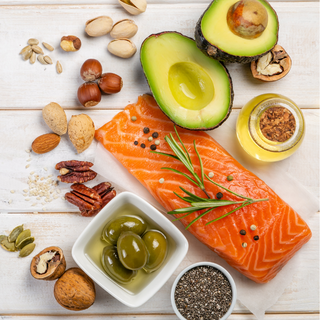
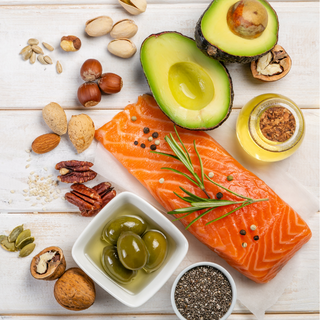
Let’s see which foods compose the “ideal meal”: 2 out of 3 courses are made up of foods rich in Omega-3. Starter: fresh or smoked salmon. Salmon is a fish rich in these fatty acids, to be consumed at least twice a week to effectively protect arteries, heart, and brain. It can be accompanied by:
- 1 slice of wholegrain bread, with fibers and folates valuable for the nervous system;
- a mixed salad dressed with a little extra virgin olive oil, which helps control cholesterol levels.
Main course: casserole chicken with lentils and mixed vegetables, a concentrate of proteins for muscles and pantothenic acid to boost mental performance. Those on a diet can replace this dish with a mixed berry smoothie, rich in glucomannan useful for weight loss. Dessert: yogurt pudding decorated with sugar-free caramel and walnuts, ideal for aiding digestion and intestinal transit. It contains no sugars that could damage teeth or alter blood glucose levels. Walnuts, plant sources of Omega-3, help keep blood vessels sufficiently elastic. Experts recommend eating 30 grams per day, equivalent to a handful.
Tips for specific groups
The menu also contains suggestions for specific cases or categories. Athletes. Those who practice sports can prepare an ideal supplement by combining ingredients high in biotin, calcium, zinc, chromium, copper, iron, potassium, selenium, and magnesium. Those with sleep problems. People who have trouble sleeping well can prepare hot chocolate, a drink that promotes good sleep thanks to the presence of melatonin. Those who want to reduce intestinal gas formation. Those wishing to reduce intestinal gas can take activated charcoal tablets after meals.
Not just salmon
The proposed menu is tasty and at the same time nutritious. Salmon can be replaced with other Omega-3 rich fish, such as tuna, mackerel, anchovies. Plant sources are less abundant: remember flaxseed oil.


