
Eating Omega-3 Rich Fish Helps Reduce Stroke Risk

Stroke: more fish, less risk!
Eating fish rich in Omega 3 about 3 times a week helps to reduce the risk of stroke by 6%. This is the conclusion reached by Susanna Larsson and Nicola Orsini, researchers at the National Institute of Environmental Medicine of the Karolinska Institutet in Stockholm (Sweden), in a study published in the journal Stroke. By analyzing data from 15 different studies, the two scientists highlighted the existence of a dose-response effect linking fish consumption and the probability of having a stroke.
The benefits of fish for health
Eating fish offers numerous benefits for the body:
- protection against heart attacks
- protection against type 2 diabetes
- prevention of Alzheimer's disease
- treatment of prostate cancer
Years of research have shown that these effects are largely associated with the high content of Omega-3 fatty acids found in certain saltwater fish. Several studies have demonstrated the ability of eicosapentaenoic acid (EPA) and docosahexaenoic acid (DHA), Omega-3s contained in these foods, to reduce the likelihood of blood clots forming in arteries and to help maintain healthy blood lipid levels. The Omega-3s found in fish also help regulate blood pressure. Based on their analysis, the two Karolinska Institutet researchers concluded that another benefit of fish consumption is stroke prevention.
Reducing stroke risk through diet
The Swedish study involved reanalyzing data from 383,838 individuals. After answering questions about fish consumption, each participant was followed for a period ranging from 4 to 30 years, during which stroke cases were recorded. Data analysis showed that high fish consumers, who eat fish daily or at least twice a week, have a 12% lower chance of suffering a stroke compared to those who eat fish less than once a week. In particular, eating fish a few times a week is enough to reduce the risk of ischemic stroke by 10%. However, doubts remain about the correlation between fish consumption and hemorrhagic stroke.
Not all fish are the same
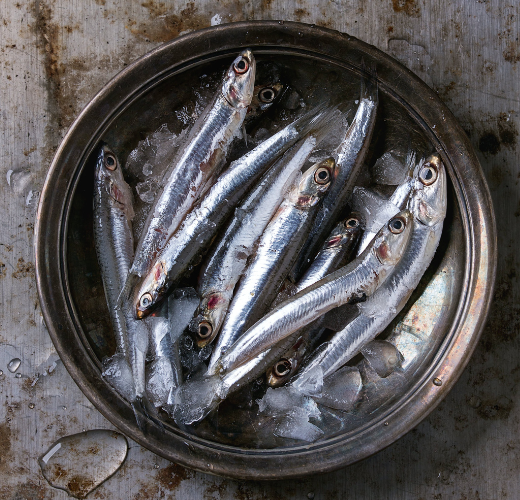
The benefits observed by Larsson and Orsini are not associated with all types of fish. One of the studies included in the analysis also showed that frying fish does not provide any advantage in reducing stroke risk. Regarding fish richest in Omega-3, experts recommend focusing on anchovies, herrings, mackerel, salmon, tuna, and halibut to replenish these precious fatty acids.
What about those who don’t eat fish?
For those who are not fond of fish or avoid it by choice, the best alternative is to take fish oil capsules, a supplement rich in EPA and DHA. The same applies to pregnant women who must limit fish consumption (such as tuna) due to potential mercury contamination, a metal that can impair the development of the baby's nervous system. In this case, taking fish oil also helps ensure an adequate intake of Omega-3 necessary for fetal development.
Source
1. Larsson SC, Orsini N, “Fish consumption and the risk of stroke: a dose-response meta-analysis”, Stroke. 2011 Dec;42(12):3621-3. Epub 2011 Sep 8


