
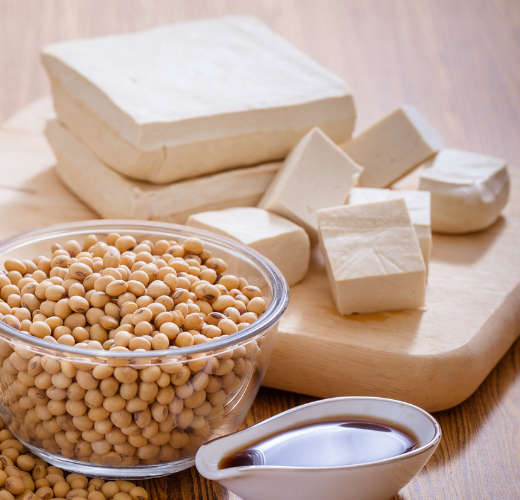
Soy enriched with stearidonic acid is an alternative source of Omega-3

Stearidonic Acid-Enriched Soybean: An Alternative to Fish Oil?
Stearidonic acid-enriched soybean could soon become a new source of Omega 3 fatty acids. Monsanto, a multinational company long involved in genetically modified plant research, has developed a soybean variety capable of accumulating this molecule. The high stearidonic acid soybean oil could be used to enrich various foods with Omega-3, without altering their taste, such as:
- Baked goods
- Breakfast cereals
- Cheeses
What is Stearidonic Acid?
The health benefits of Omega-3s have increased the popularity of these nutrients, mainly found in fatty fish such as tuna, salmon, and halibut. Fish provide two key Omega-3s: eicosapentaenoic acid (EPA) and docosahexaenoic acid (DHA), which the human body can easily use. Plant-based foods contain another Omega-3: alpha-linolenic acid (ALA). However, ALA must be converted in the body to EPA and DHA, a process that is inefficient, converting only about 10% of ALA into EPA. Stearidonic acid (SDA) converts to EPA more efficiently than ALA. Monsanto’s soybean converts its ALA into SDA, making Omega-3s more bioavailable for humans.
Genetically Engineered Soybean
Researchers created this soybean variety by inserting two genes: one from the plant Primula juliae and another from the fungus Neurospora crassa. These genetic modifications enable the conversion of ALA into SDA, making soybean oil a kind of precursor to fish oil. Monsanto aims to enrich various food products with its soybean, providing consumers with 375 milligrams of SDA per serving.
SDA-Enriched Soybean as a Fish Oil Alternative
Researchers suggest that SDA-enriched soybean could be a viable alternative to fish oil for those who dislike its taste. Another source of Omega-3s may also help reduce risks related to overfishing. However, the amount of SDA needed to achieve adequate EPA intake is 4-5 times higher than the EPA directly supplied by fish or fish oil. Some companies expressed interest in marketing SDA-enriched foods as early as 2011, aiming to launch them in 2012. We await further developments.


