

How to strengthen your immune defenses at the table?
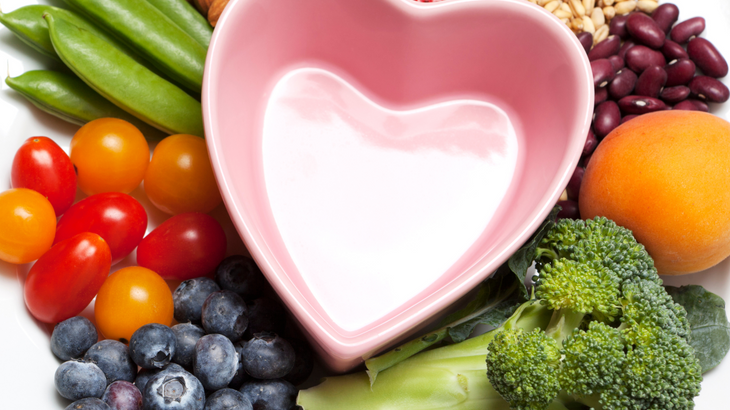
Our health is constantly targeted by threats. Whether viruses, bacteria, or others, fortunately we have effective defense weapons, among which our immune defenses stand out.
In some situations, this defense is physiologically lowered; for example, immune defenses during pregnancy are naturally lower. There are also cases when we feel the need to boost them, for example when cold arrives, bringing with it the classic seasonal illnesses, but not only: how many parents seek a way to increase their children's immune defenses to avoid them spending more days at home, sick, than at school?
The proposed solutions to respond to this need are numerous. Often advice concerns what to eat to make our immune system work better. Let's try to understand which of these tips are valid and, therefore, how to strengthen immune defenses at the table.
Not only superfoods
Often what is recommended is to eat superfoods – foods considered particularly healthy, in this specific case because they boost immune defenses. However, rather than focusing on consuming one or a few foods with seemingly miraculous properties, it would be better to take care of our diet comprehensively, focusing on the variety of ingredients we put on our plate and the nutritional balance of our diet.
Indeed, a varied diet helps us to intake all the nutrients our immune system needs without special efforts of imagination to organize our daily meals and without having to hunt for expensive superfoods that have been guaranteed to be the best allies of immune defenses.
In short, before spending fortunes on goji berries, it is better to vary our choices at the table. For example, we can:
- alternate the consumption of pasta and rice with whole grains such as spelt and barley, sources of fiber that nourish the gut microbiota – an ally of our immune defenses;
- eat fruits and vegetables of different colors, in order to take in the widest possible variety of vitamins and minerals, including those essential for the proper functioning of our immune system.
Regarding nutritional balance, it is good to remember that carbohydrates are the main source of energy for our body and that without adequate energy available, it is hard to feel in good shape.
But an adequate intake of proteins is also important: the antibodies we produce to fight viruses and bacteria are protein molecules, and we cannot expect to synthesize them without the necessary building blocks.
And what about fats? Even when it comes to immune defenses, we should not lump all fats together, because different fats can have different effects on inflammatory processes, which are crucial phenomena in the immune response. For this reason, we should follow the recommendation to limit consumption of saturated fats (such as meats and butter) in favor of a greater consumption of unsaturated fat sources (such as fish and extra virgin olive oil).
Finally, as already mentioned, taking in all the vitamins and minerals we need ensures that we also get those most specifically required by our immune system.
Nutrients and foods that boost immune defenses
That said, some nutrients are particularly useful to promote the proper functioning of the immune system. Because – attention – the question we should ask ourselves is precisely this: not so much how to strengthen immune defenses (a concept that is not strictly scientifically correct) but how to help our immune system function at its maximum potential.
The vitamins and minerals recognized to have a role in immune system function are:
- Vitamin A, which we can consume through many vegetables available in different seasons (from cabbage to tomatoes, including turnips, chicory, arugula, radicchio, spinach, chard, peppers, pumpkin, and carrots) and various fruits (such as oranges in winter and apricots in summer). But not only that: eggs, liver, and several cheeses (taleggio, pecorino romano, caciotta, fontina, and Parmigiano Reggiano) are also sources of vitamin A;
- the B vitamins, particularly B6, B9, and B12. Vitamin B6 and B12 can be easily obtained from meats; B6 is also abundant in garlic. Vitamin B9 is present as folates in many vegetables (especially leafy greens) and legumes, and eggs are also a good source;
- Vitamin C, abundant in fruits and vegetables (kiwi, oranges, clementines, lemons, currants, strawberries, broccoli, turnip greens, Brussels sprouts, cauliflower, cabbages, radicchio, arugula, peppers);
- Vitamin D, which unfortunately is present in very few foods, among which the main sources are fatty fish such as mackerel, salmon, sardines, and tuna;
- Iron, present in a particularly absorbable form within meats and less easily assimilated from plant sources like legumes;
- Selenium from tuna, sardines, mussels, and clams, but also lamb and beans;
- Zinc from nuts, anchovies and sardines, beans and chickpeas, carrots and broccoli, corn and spelt, and several cheeses and meats;
- Copper, also present in nuts and various seafood products.
This long list of foods that boost immune defenses reiterates that the best choice to support the proper functioning of the immune system at the table is to ensure a diet as varied as possible. In some cases, however, a little extra attention may be necessary.
When to take supplements?
In particular, it can be difficult to ensure adequate vitamin D intake for our immune system through food alone. This is because, as mentioned, its dietary sources are very few, and thus there are few foods that increase immune defenses by providing this precious vitamin to the body.
Actually, our body is equipped to produce this substance by itself. However, to do so it needs sunlight, which at our latitudes is not sufficiently intense all year round and from which – let's admit it – we increasingly hide due to the lifestyle we lead, mostly confined indoors.
The consequence is a widespread vitamin D deficiency, which can also negatively affect our immune defenses. For this reason, it can be a good idea to take a vitamin D dietary supplement – a strategy that should still be combined with increased (albeit controlled) direct sunlight exposure.
In other cases, it may be useful to take iron supplements, allies both in cases of known deficiencies and when, following a predominantly plant-based diet, it is more difficult to obtain high amounts from food. Depending on the case, however, vitamin B group supplements can be useful when our diet is particularly poor in animal foods or green leafy vegetables.
Finally, in some cases diet may promote an excess of completely counterproductive inflammatory phenomena, for example because it is unbalanced towards the intake of Omega 6 fat sources. To rebalance it, Omega 3 supplements come to our aid.
Why fight inflammation?
We learned this during our fight against the new coronavirus responsible for the COVID-19 pandemic: when the immune system turns on excessively, it can do more harm than good. And also during the fight against coronavirus, various strategies based on administering nutrients that help control inflammation were attempted. Among those tested are Omega 3, fats renowned precisely for their anti-inflammatory properties.
Omega 3 have been associated with regulating the activity of various immune system cells, reducing the production of molecules responsible for the "inflammatory storm" we have heard so much about concerning the new coronavirus, and are precursors of molecules that contribute to turning off inflammation in progress.
Fatty fish is the best dietary source we have available to stock up on biologically active forms of Omega 3. So, once again, to help our immune system, we should bring to the table salmon, tuna, mackerel, sardines, anchovies, and herring. But if this is not possible (for example, because we are allergic to fish or because we have chosen not to eat it for ethical or environmental sustainability reasons), we can get our fill thanks to dietary supplements based on algal oil, free of risks for allergy sufferers and also suitable for those following a vegan diet.
The same supplements can also be useful if we want to support our diet to promote the good functioning of our immune defenses. Besides algal oil, if there are no allergies to fish or shellfish, it is also possible to choose among those based on fish oil, cod liver oil, or krill oil.
Bibliographic references:
Arnardottir H et al. Immunomodulation by intravenous omega-3 fatty acid treatment in older subjects hospitalized for COVID-19: A single-blind randomized controlled trial. Clin Transl Med. 2022 Sep;12(9):e895. doi: 10.1002/ctm2.895
European Commission. EU Register of Health Claims
Crea. Food Composition Tables
Gutiérrez S et al. Effects of Omega-3 Fatty Acids on Immune Cells. Int J Mol Sci. 2019 Oct 11;20(20):5028. doi: 10.3390/ijms20205028
Hathaway D et al. Omega 3 Fatty Acids and COVID-19: A Comprehensive Review. Infect Chemother. 2020 Dec;52(4):478-495. doi: 10.3947/ic.2020.52.4.478


