
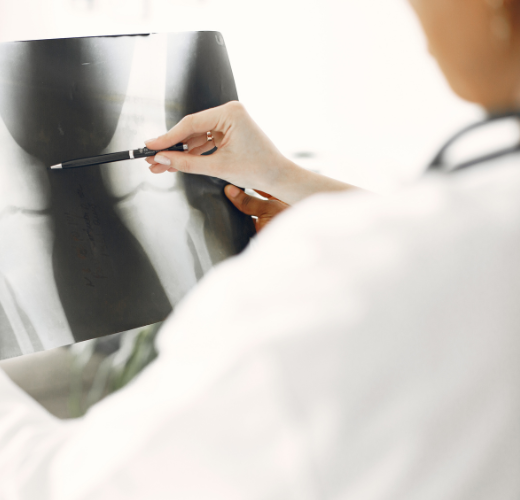
Omega-3s to protect and limit bone loss
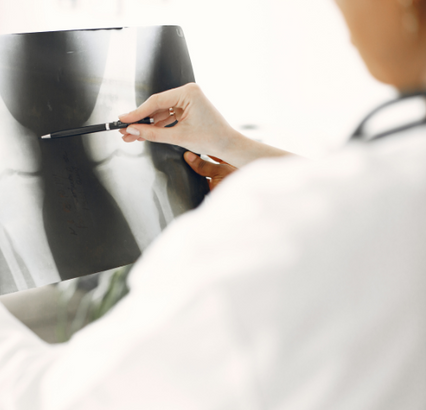
Bones: Stronger Thanks to Omega-3 from Fish
Eicosapentaenoic acid (EPA), a dietary Omega-3, can protect against bone loss in the absence of gravity. This finding comes from NASA laboratories in Houston (USA), where Sara Zwart and her team demonstrated the association between consuming fish rich in Omega-3 during space missions and the effects of being outside Earth’s atmosphere, which are harmful to the human body. According to the study authors, published in the Journal of Bone and Mineral Research, EPA may also offer the same protective effect for individuals forced to spend long periods bedridden.
Weightlessness: an enemy to health
After a space mission, astronauts must deal with health issues. Time spent in space causes bone tissue loss. This process involves a molecule called NF-kappaB. This protein regulates several processes, such as bone resorption, muscle loss, and immune functions. By measuring the expression of the gene coding for NF-kappaB, Zwart and colleagues showed that even after short missions, its levels increase by nearly 500%. This data, obtained by studying 7 men and 3 women who spent 12 to 16 days aboard a Space Shuttle, was supplemented by results from astronauts on longer missions or those who stayed on the Russian space station Mir. These astronauts completed questionnaires about their diet and underwent bone analysis. The researchers found that higher fish consumption was associated with less bone loss in weightlessness. Moreover, the authors noted that similar results were observed in people confined to long-term bed rest.
Cell-level confirmation
The discovery by Zwart and colleagues is also supported by cell experiments. The researchers explained that EPA administration reduces NF-kappaB activation at the cellular level. Based on these results, the authors hypothesize that inhibiting NF-kappaB activation through Omega-3s could have beneficial effects on bones, other organs, and processes regulated by NF-kappaB that are compromised during space flights, particularly muscles and the immune system. Additionally, research has progressed to study the role of these fatty acids in preventing cancers linked to radiation exposure experienced by astronauts. Early results are encouraging.
Changing the menu to reduce risks
The authors believe the data collected from these studies will have a significant impact on future space missions as well as the health of the general population. To benefit from Omega-3 advantages, a simple menu change increasing fish consumption may be enough.
Source
1. Zwart SR, Pierson D, Mehta S, Gonda S, Smith SM, “Capacity of omega-3 fatty acids or eicosapentaenoic acid to counteract weightlessness-induced bone loss by inhibiting NF-kappaB activation: from cells to bed rest to astronauts”, J Bone Miner Res. 2010 May;25(5):1049-57


