
Osteoporosis: Omega-3s Protect Bones and Reduce the Risk of Hip Fracture
Ihe consumption of fish and other omega-3 rich products is associated with a lower risk of osteoporosis and hip fracture, according to a recent study conducted on adults aged 20 and over. The protective effect of foods rich in EPA, DHA, and ALA is due to the ability of these molecules to promote calcium absorption in the intestine and reduce inflammatory processes underlying bone loss.
The discovery was made by researchers from Larestan University in Iran and published in the journal Critical Reviews in Food Science and Nutrition in recent months..
Osteoporosis and fractures: a health emergency mainly affecting the elderly
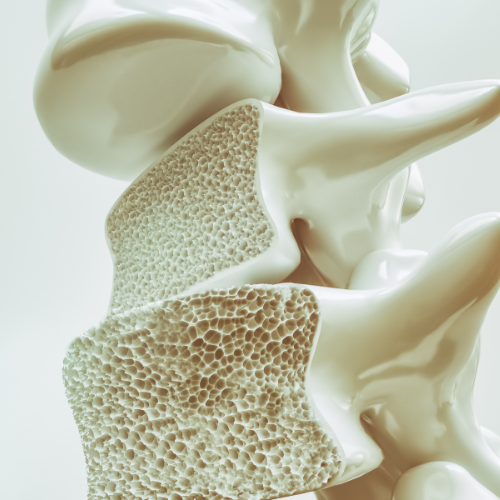
Osteoporosis and bone fractures represent a widespread health problem affecting men but especially adult women. Osteoporosis is a condition that makes bones fragile and less resistant, increasing the risk of breaks. Affected individuals may suffer a bone fracture from a minor bump or simple fall during everyday activities. The decrease in bone mass caused by osteoporosis particularly predisposes to fractures of the wrist, vertebrae, and hip. The latter is very common in the elderly population, usually involving a break in an area of the femur known as the “femoral neck.” Femur fractures are associated with high disability, morbidity, and mortality. About 30% of people over 65 who suffer this fracture die within a year, due to a combination of disorders that begin with disability caused by the injury and often progress to loss of autonomy. The pathogenesis of hip fracture is complex, but compromised bone strength, decreased bone mineral density, and trauma from falls can promote this dramatic event. Several studies have shown that physical activity, alcohol consumption, obesity, cigarette smoking, and diet are factors influencing bone mineral density and thus fracture risk. Some behaviors can help prevent osteoporosis and femur fractures:
- Engage in regular physical exercise
- Maintain an ideal body weight
- Consume adequate amounts of nutrients important for bone health such as Calcium and Vitamin D
- Consult your doctor and undergo risk assessment
- Avoid smoking and alcohol
Given the alarming prevalence of hip fractures in the population, medical research is paying close attention to identifying contributing factors, often yielding contrasting results, especially regarding the role of diet. Among dietary factors that appear to influence femur fracture risk are consumption of fruits, vegetables, red meat, fish, dairy, magnesium, and vitamin D. Some studies found an inverse association between fish consumption and bone fracture risk, while others showed a link with omega-3 and alpha-linolenic acid (ALA) intake, but not with fish consumption alone.
A diet rich in omega-3 may have a protective effect against osteoporosis
This study aimed to evaluate the association between fish consumption, dietary omega-3 intake, and the probability of hip fracture by summarizing and statistically analyzing previous research results. Specifically, Iranian researchers gathered and analyzed multiple studies investigating the role of EPA, DHA, and ALA in bone fracture protection. For this work, results from 19 studies with a total of 292,657 participants aged 20 and older were selected and analyzed. The findings revealed a significant inverse association between fish consumption and hip fracture risk. Additionally, total dietary omega-3 intake was inversely associated with the likelihood of this type of fracture. However, when analyzing the effects of ALA, EPA, and DHA separately as omega-3 subgroups, no significant association was observed. The mechanisms behind the protective effects of fish and omega-3 consumption are diverse: polyunsaturated fatty acids increase calcium absorption in the intestine and reduce calcium excretion by the kidneys; moreover, they inhibit the action of inflammatory molecules such as IL-1, IL-6, and TNF-alpha, facilitating bone resorption and suppressing bone formation, while increasing production of resolvins, substances that resolve inflammation and inhibit bone resorption.
Some study details
The purpose of this research was to summarize current evidence on the association between fish consumption and omega-3 intake with the risk of hip fracture. Publications on this topic were searched using major online databases such as PubMed, ISI Web of Science, Scopus, Science Direct, and Embase, selecting scientific articles published by August 2017 using relevant keywords. To pool the data, the authors used appropriate mathematical models and Cochran’s Q test to assess heterogeneity among studies. In total, 10 publications were included in a systematic review (a synthesis of studies on a specific topic), and 9 studies were used in a meta-analysis (a statistical analysis combining independent study results).
The Mediterranean diet model rich in fish to combat osteoporosis
According to the researchers who developed it, this research is the first to summarize so much data to evaluate the association between consumption of omega-3 rich foods and the probability of hip fracture. From the results obtained, it can be concluded that consumption of EPA, DHA, and ALA may have protective effects on bone health and reduce femur fracture risk. Consistent with these findings, some previous studies have shown that fish and, more generally, foods high in omega-3 protect against osteoporosis and bone fractures, and that greater adherence to a Mediterranean-style diet is associated with a lower risk of hip fractures.
Source: Omid Sadeghi, et al. "Dietary intake of fish, n-3 polyunsaturated fatty acids and risk of hip fracture: A systematic review and meta-analysis on observational studies." Critical Reviews in Food Science and Nutrition.


