
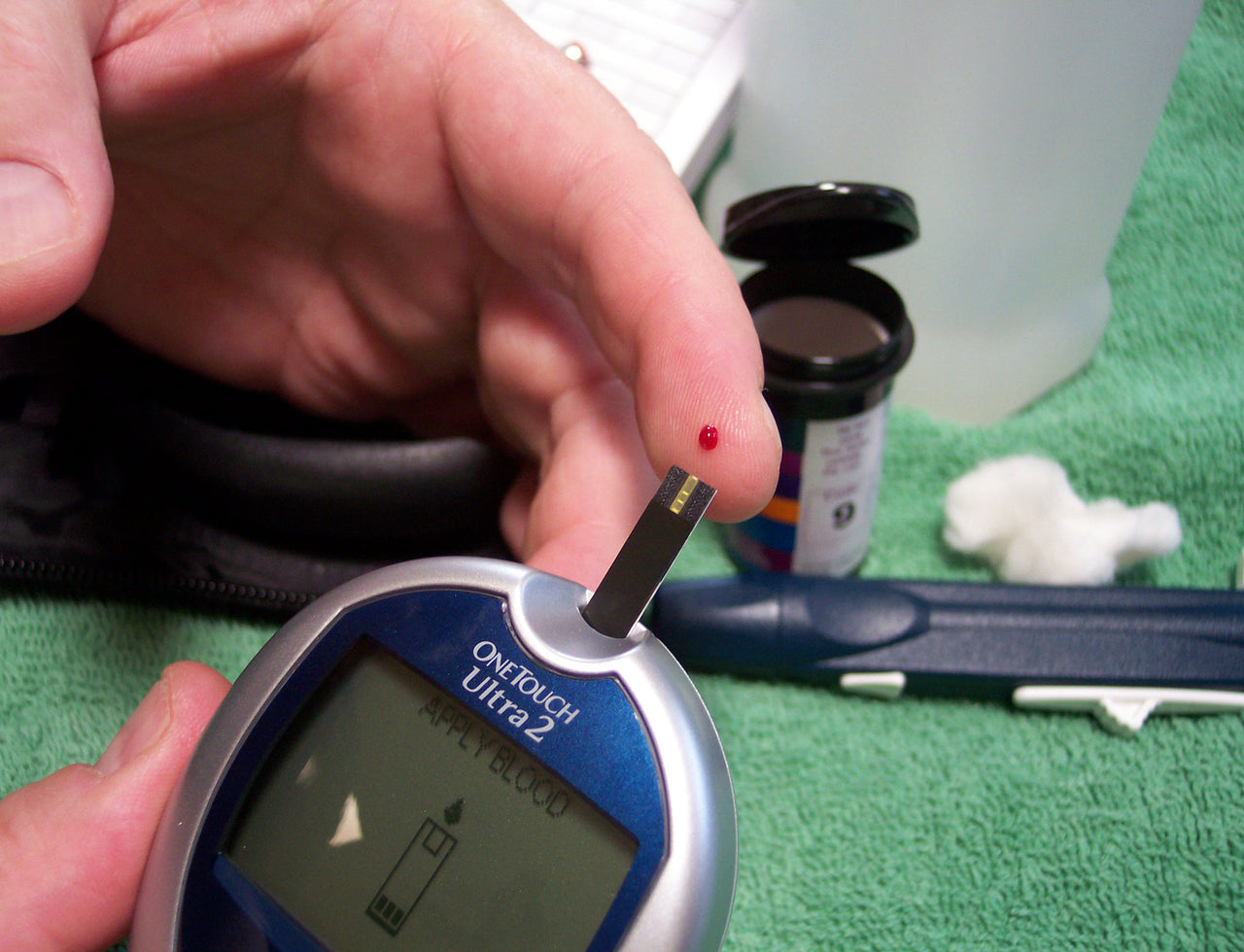
EPA and DHA help reduce the risk of type 2 diabetes

Type 2 Diabetes: Omega 3 EPA and DHA Reduce Its Risks
Omega 3 seem to protect against type 2 diabetes in subjects with high levels of free fatty acids, which instead promote the onset of the disease. In particular, a high Omega-3 Index — the percentage of EPA (eicosapentaenoic acid) and DHA (docosahexaenoic acid) relative to total fatty acids in red blood cell membranes — is associated with a low risk of developing the disease.
These are the results of a new study conducted by researchers at the University of Minnesota (USA) and published in the journal Diabetes Care.
NEFA: a diabetic risk factor
Circulating free fatty acids, also known as non-esterified fatty acids (NEFA), represent an energy source for the body. They are released into the bloodstream by the enzyme lipase, present in blood vessels, muscles, and fat cells. However, chronically elevated NEFA concentrations can have pathological consequences in obese or diabetic subjects and may be a predisposing factor for sudden death. Some studies have suggested that NEFA can increase the risk of type 2 diabetes, a very common form of diabetes. The disease manifests in adulthood and is characterized by a dual defect: low production of insulin or an inadequate response of the body to the insulin produced.
Omega-3 attenuate NEFA action
The aim of the study was to examine the relationship between high NEFA levels and the risk of type 2 diabetes, and to test the possible action of omega-3 on this relationship. Researchers measured fasting NEFA concentrations in 5,697 subjects, all participants in a multi-ethnic atherosclerosis study (MESA) for about 11 years. The results showed a higher incidence of diabetes in subjects with higher NEFA concentrations. The researchers also highlighted a significant interaction of omega-3 on the relationship between NEFA and type 2 diabetes. Individuals with low levels of polyunsaturated fatty acids showed a higher risk of diabetes compared to those with higher concentrations. Those deficient in EPA and DHA had an Omega-3 Index of 3.9%, while those with medium-high concentrations had 7.5%. This latter group showed the greatest benefits, consistent with studies suggesting that an Omega-3 Index of 8% is associated with a lower cardiovascular risk; despite the fact that most of the population, not taking EPA and DHA supplements, has an index of 3-5%.
Can Omega-3 act on metabolic dysfunctions?
According to the researchers, the results obtained, besides confirming the role of NEFA as an indicator of type 2 diabetes, suggest the protective effect of omega-3 against the disease. The authors hypothesize that increased EPA and DHA in the blood may play an important role in healthy aging, but the action of omega-3 against metabolic dysfunctions related to NEFA still requires further studies.
Source: Steffen BT, Steffen LM, Zhou Z, Ouyang P, Weir NL, Tsai MY. n-3 fatty acids attenuate the risk of diabetes associated with elevated serum non-esterified fatty acids: the Multi-Ethnic Study of Atherosclerosis. 2015 Diab Care doi: 10.2337/dc14-1919


