
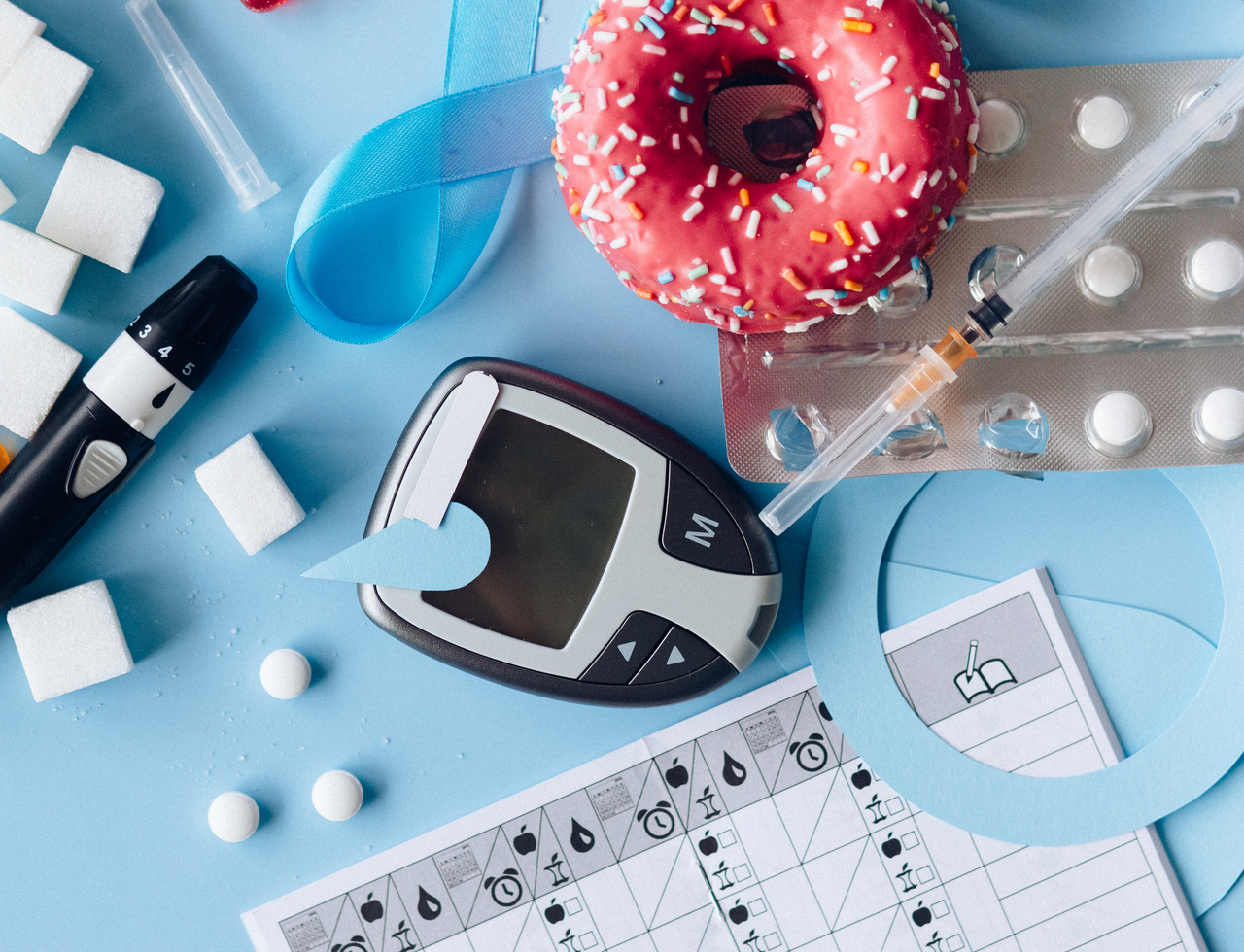
Type 2 Diabetes: Vitamin, Mineral and Omega-3 Supplementation May Lower Blood Sugar
People at high risk of developing non-insulin-dependent diabetes mellitus may benefit from combined supplementation with multivitamins, minerals, EPA, and DHA. According to a new study conducted on individuals with type 2 diabetes or prediabetes, treatment with supplements of vitamin D, minerals, omega-3, resveratrol, together with other nutrients and bioactive molecules, can lower blood glucose levels and prevent complications. The combined action of these substances could represent a prevention program to reduce the risk of diabetes and improve glycemic status in predisposed individuals.
The discovery was published in the Journal of Clinical & Translational Endocrinology and was conducted in recent months by a team of Canadian researchers.
Diabetes: a common disease in Western countries
Diabetes is a chronic disease characterized by elevated levels of glucose in the blood (high blood sugar or hyperglycemia) due to altered quantity or function of insulin. There are different types of diabetes, the most common being type 1 and type 2 diabetes. In type 1 diabetes (insulin-dependent), the pancreas does not release insulin because of the destruction of Beta cells that produce this hormone. Type 2 diabetes (non-insulin-dependent) is the most common form worldwide; in fact, among the 347 million people suffering from diabetes mellitus, 90% have type 2 diabetes. The prevalence of this form is higher among the elderly, but over 50% of affected individuals are of working age. Although the cause is still unknown, in type 2 diabetes the pancreas is able to produce insulin, but the body's cells are unable to use it properly. The risk of developing type 2 diabetes is linked to a complex combination of genetic and environmental factors, including lifestyle, the main ones being:
- overweight or obesity
- age over 45 years
- high blood pressure
- low levels of HDL cholesterol
- excess triglycerides in the blood
- history of gestational diabetes
- sedentary lifestyle
- history of heart disease and stroke
- depression
Modifiable lifestyle risk factors that offer opportunities for intervention and prevention are several; in particular, the risk of developing diabetes can be reduced by following a balanced diet, engaging in physical activity, even moderate, and maintaining an appropriate body weight. While lifestyle changes tend to be the primary target of diabetes prevention strategies, the possibility of modifying disease risk by improving nutrient intake is also emerging in research. The development of diabetes is preceded by abnormalities in glucose homeostasis (i.e., the balance of glucose in the blood), leading to insulin resistance, glucose intolerance, and finally the development of type 2 diabetes.
It has been hypothesized that daily variation in glucose homeostasis may be worsened by inadequate nutrient composition, as many micronutrients such as minerals and vitamins are necessary factors for the proper functioning of enzymes involved in glucose metabolism. Nutrients that may help control blood glucose include vitamin D, vitamin K, minerals like calcium, magnesium, and zinc, and omega-3 fatty acids. Vitamin D, in particular, appears to play a significant role in diabetes progression, as confirmed by studies linking low blood vitamin D levels both with insulin resistance and Beta cell dysfunction of the pancreas. However, clinical evidence on the action of individual nutrients, including vitamin D, is inconsistent: some studies show positive effects while others report null results; it is, however, hypothesized that a combination of nutrients is needed to gain benefit.
Vitamin D combined with multivitamins, omega-3, minerals, and bioactive molecules reduces blood glucose
In the new study, researchers examined the effects of two supplementation programs with different nutrients on blood glucose levels in subjects with diabetes or prediabetes. One treatment involved supplementation with vitamin D and a simple multivitamin, while the other was based on vitamin D combined with a multivitamin containing minerals and omega-3.
Results showed that nearly half of the participants who consumed this latter combination exhibited a reduction of blood glucose to normal levels. The best results came from supplementation based on vitamin D, omega-3, and a specially designed product containing numerous vitamins, minerals, and antioxidant and anti-inflammatory ingredients such as lutein, lycopene, blueberry extract, and resveratrol.
In particular, this nutritional supplement combination was associated with a reduced risk of progressing from normal blood glucose to prediabetes, and a greater likelihood of the prediabetic subject improving their glucose levels two years after starting treatment. One year after beginning supplementation, only 8% of those who followed this second complex supplementation progressed from a "normal" glucose condition to prediabetes or diabetes, compared to 16% of those who took only vitamins. Moreover, 44% of subjects who consumed the combined supplements regressed from prediabetes/diabetes to normal glucose levels; this effect was observed in only 8% of the other supplementation group. Thus, as researchers stated, vitamin D combined with other nutrients was associated with a reduced risk of progression to diabetes and an increased rate of glucose normalization in high-risk participants.
Some study details
The researchers, led by Samantha Kimball, involved over 1,018 participants in a program that provided supplementation with vitamin D drops plus a simple multivitamin (Vital 1 supplementation), or vitamin D drops combined with a multivitamin containing minerals and omega-3 fatty acids (Vital 2 supplementation). Each participant was monitored for one or two years, measuring changes in blood vitamin D levels; C-reactive protein, an inflammation marker; glycated hemoglobin, an indicator of long-term excess blood glucose; and blood glucose. Results showed that blood vitamin D levels significantly increased in both groups over 12 months, but only the Vital 2 treatment was associated with significant reductions in glycated hemoglobin and C-reactive protein.
A simple and reliable preventive strategy to avoid type 2 diabetes?
According to the study authors, the excellent results highlight that vitamin D combined with other nutrients is associated with a reduced risk of progression to diabetes and an increased rate of regression to “normal” glucose levels in high-risk participants. These data suggest that a simple, safe, and nutrition-based supplementation strategy could reduce diabetes risk and improve glycemic status, thereby lowering disease incidence.
Source:
S.M. Kimball et al. “Effect of a vitamin and mineral supplementation on glycemic status: Results from a community-based program”. Journal of Clinical & Translational Endocrinology.
Recommended products
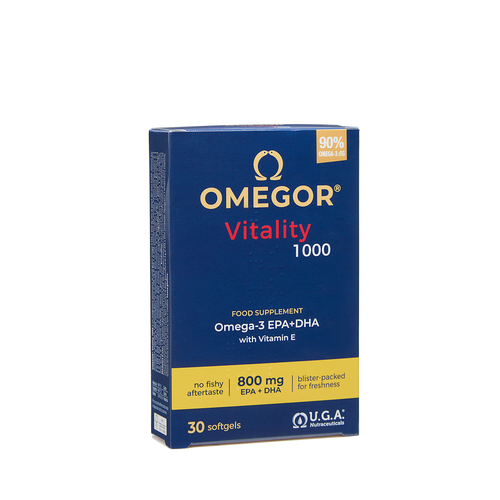
OMEGOR Vitality 1000 - 30 capsules
Just 3 words: power, freshness, purity. And always 5 stars. OMEGOR® Vitality is a concentrate of Omega-3 evaluated by IFOS (International Fish Oil Standards), the most famous quality certification in the field of Omega-3 supplements, always with the maximum score since 2005, the year of its commercialization. It is the top of the range.
Serving Size: 1-4
Number of servings: 7-30
Lot and expiry: 258807- 10/2028

OMEGOR Classic
Four allies, one goal: your well-being. OMEGOR® Classic combines the power of Omega-3 EPA and DHA with vitamins A, D and E in a purified formula with a pleasant lemon and natural herbal taste. The tradition of cod liver oil meets our innovation.
Serving size: 5 ml
Number of servings: 50
Lot and expiry: 26106 - 09/2027
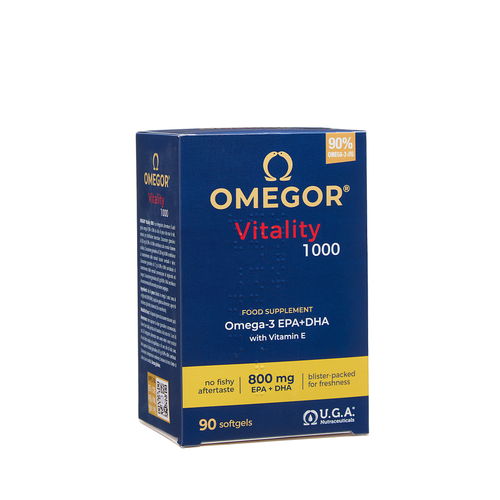
OMEGOR Vitality 1000 - 90 capsules
Just 3 words: power, freshness, purity . And always 5 stars. OMEGOR® Vitality is a concentrate of Omega-3 evaluated by IFOS (International Fish Oil Standards), the most famous quality certification in the field of Omega-3 supplements, always with the maximum score since 2005, the year of its commercialization. It is the top of the range.
Serving Size: 1-4 capsules
Number of servings: 22-90
Lot and expiry: 2605401 - 06/2029

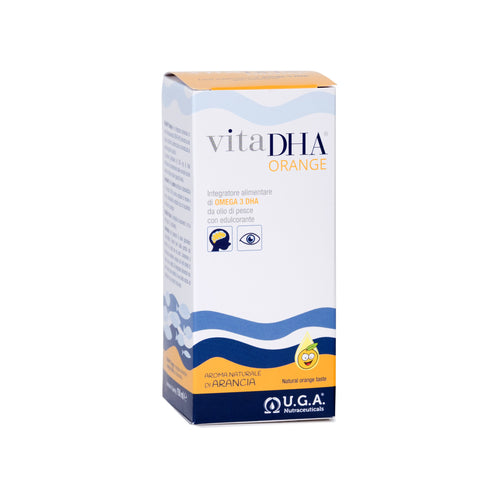
VitaDHA Orange
Who said Omega-3 supplements have to be in capsules? VitaDHA® Orange reinvents supplementation with DHA Plus®: purified, highly bioavailable and with a very pleasant orange flavor. A teaspoon of well-being, with a taste that will conquer even the little ones.
Serving size: 5 ml
Number of servings: 30
Lot and expiry: B0022985 - 01/2027
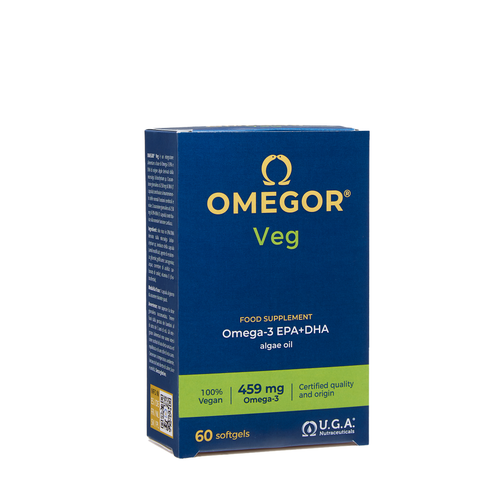
OMEGOR Veg
Omega-3 is not only found in fish, did you know? Nature offers us a precious alternative: the microalgae Schizochytrium sp, a natural source of DHA (docosahexaenoic acid) and EPA (eicosapentaenoic acid). Omegor® Veg contains and concentrates these Omega-3 in capsules certified by the Vegan Society and with IFOS 5 stars certification (the maximum), very rare in products of algal origin.
Serving Size: 1
Number of servings: 60
Lot and expiry: 2605201 - 04/2028


