
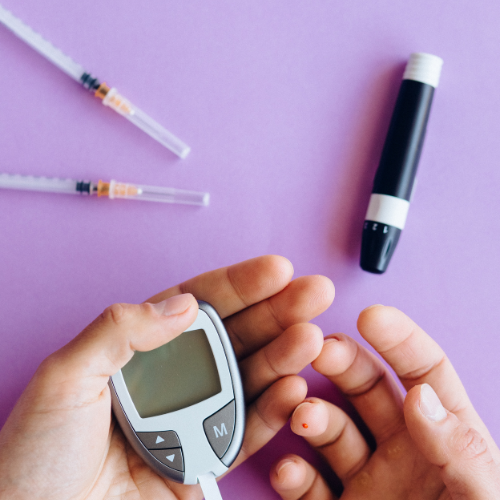
Type 2 Diabetes: Is Losing Weight Enough to Heal?
Type 2 Diabetes: Can Weight Loss Cure It?
Type 2 diabetes, one of the most common diseases in the West, can be overcome through significant weight loss. According to a new study, following a very low-calorie diet for 8 weeks can reverse the disease, bringing blood glucose levels back to normal. This incredible result challenges the idea that type 2 diabetes is a chronic and irreversible condition.
The research, conducted by a team from Newcastle and Glasgow Universities (UK) and Lagos State University (Nigeria), was published in the journal Diabetes Care.
Type 2 Diabetes: The Most Common Form of the Disease
Diabetes mellitus is a chronic metabolic disease caused by a defect in the production or action of insulin. The most common forms of diabetes are type 1 and type 2. Type 1 diabetes results from the destruction of the insulin-producing pancreatic cells and is characterized by an absolute deficiency of this hormone.
Type 2 diabetes, also called non-insulin-dependent diabetes, is caused by either insufficient insulin production by the pancreas or an inadequate response to it. In both cases, cells of various organs are deprived of the energy necessary for their function; additionally, the increase in blood glucose causes damage to various organs and systems. Type 2 diabetes accounts for 90-95% of all diabetes cases. It usually appears in adulthood, particularly affecting people over 60 years of age.
In the United States, 9.2% of the population is affected by type 2 diabetes. In Italy, over 3 million people are affected. Several genes can predispose to diabetes onset, alongside other risk factors, including:
- gestational diabetes
- unhealthy diet high in fats and sugars
- cigarette smoking
- excessive alcohol consumption
- sedentary lifestyle
- age
Diabetes can cause complications that may be disabling or fatal; this risk can be minimized by maintaining good control of blood glucose and other risk factors such as hypertension and high cholesterol.
Diet and physical activity play a fundamental role in managing type 2 diabetes. Most cases of type 2 diabetes are linked to obesity and a sedentary lifestyle. When lifestyle modifications are insufficient to control the disease, pharmacological therapies become necessary.
Many of these drugs, such as metformin, serve to sensitize the body to respond more effectively to insulin or stimulate insulin secretion by the pancreas. Although these interventions can control blood glucose levels, type 2 diabetes is generally considered a chronic and incurable condition.
Is Type 2 Diabetes Reversible?
According to a new 5-year study, “The Diabetes Remission Clinical Trial,” a very low-calorie diet could reverse type 2 diabetes and restore blood glucose concentration to normal levels. Remission of the disease was observed in 40% of participants who followed the dietary program for eight weeks and remained stable for at least six more months.
As explained by one of the study authors, Professor Roy Taylor, the results clearly indicated that when total body fat appeared to decrease due to the diet, patients stored a normal amount of fat under the skin and blood glucose returned to normal. By maintaining weight control after the treatment weeks, glucose levels did not rise again.
The importance of these results is fundamental, especially considering not only the health impact on people but also the effect on healthcare costs, as highlighted by the researchers in the American Diabetes Association journal.
What Does the Disease Cost?
Diabetes was chosen by the World Health Organization (WHO) as the theme for World Health Day in 2016. In a recently published report, WHO urged greater action to halt the disease’s rise, whose cases have quadrupled since 1980, reaching 422 million worldwide.
Currently, the UK National Health Service spends about 97 million euros annually on medications required to regulate blood glucose levels in type 2 diabetics, in addition to costs of invasive and potentially risky surgical procedures such as gastric banding, while strategies to help patients lose weight rapidly are often ignored.
Similarly, the disease cost the United States about 283 billion euros in 2012 alone. Moreover, the personal cost of diabetes complications, such as vision loss, lower limb amputation, and early cardiovascular disease, is enormous.
Some Details About the Research
The study, financially supported by a Diabetes UK charity grant, involved 30 subjects with type 2 diabetes (diagnosed either recently or for several years) who followed a very low-calorie diet for 8 weeks. Specifically, participants were provided with a product developed by a well-known food company, to be taken three times daily, containing 43% carbohydrates, 34% protein, and 19.5% fats, with a total caloric intake of 624 kcal per day.
After 8 weeks of treatment, patients followed a normal isocaloric diet. At the study start, all subjects discontinued oral medications. Twelve participants reached fasting glucose values below 7 mmol/L immediately after returning to the isocaloric diet, and thirteen subjects maintained this result after six months. The average weight dropped from 98 kg to 83.8 kg during the treatment period and remained 84.7 kg after six months.
Type 2 Diabetes Is Curable With Weight Loss
According to Professor Taylor, the results demonstrate that type 2 diabetes can now be interpreted as a potentially reversible metabolic syndrome through substantial weight loss. This represents an important paradigm shift, especially in an era when diabetes has reached epidemic proportions.
The next step will be to determine what percentage of people with type 2 diabetes would choose this treatment and whether the diet can provide long-term benefits. According to Professor Taylor, not all individuals affected by the disease will be willing to change their diet, but for those who do, metabolic health has a good chance of recovery.
Source: S. Steven, K. G. Hollingsworth, A. Al-Mrabeh, L. Avery, B. Aribisala, M. Caslake, and R. Taylor, “Very-Low-Calorie Diet and 6 Months of Weight Stability in Type 2 Diabetes: Pathophysiologic Changes in Responders and Nonresponders,” Diabetes Care, April 2016, 39 (4).


