
High Cholesterol Is the Enemy of Heart Health. Here's How to Fight It
High cholesterol is one of the main cardiovascular risk factors; an excess of LDL or “bad” cholesterol can indeed lead to artery blockage, increasing the risk of heart attack or stroke. Physical activity and a healthy diet are the primary strategies to keep LDL cholesterol under control and to increase “good” HDL cholesterol, but sometimes these may not be enough, and the use of specific medications, such as statins, or dietary supplements becomes necessary.
Cholesterol: a molecule with multiple functions
Cholesterol is a lipid molecule, belonging to the steroid family, and represents one of the fundamental components of the membrane of all animal cells. It plays an important role in regulating their fluidity by increasing the stability and flexibility of the membrane, thus enabling cell growth and division.
Moreover, cholesterol is the basic substance for the synthesis of vitamin D, bile salts, and steroid hormones such as progestins, estrogens, androgens, glucocorticoids, and mineralocorticoids.
This molecule is therefore absolutely important and necessary for the human body because of its numerous physiological functions. Cholesterol is produced by liver cells through what is called “endogenous synthesis,” but it can also be introduced through the diet, and it is contained in foods rich in animal fats such as:
- meat
- butter
- cured meats
- cheese
- egg yolk
It is instead absent in fruit, vegetables, and cereals.
Cholesterol in the blood: cholesterolemia
The transport of cholesterol through the blood is entrusted to a group of particles called lipoproteins, classified based on the amount of lipids present. Those characterized by a higher cholesterol content are 2:
LDL lipoproteins: they transport cholesterol synthesized by the liver to all the cells of the body. If LDL levels exceed the absorption capacity of various tissues, cholesterol can deposit on artery walls; for this reason, LDLs are commonly known as “bad cholesterol.”
HDL lipoproteins: they remove excess cholesterol from various tissues and transport it back to the liver, which then eliminates it through bile. For this reason, HDLs are commonly referred to as “good cholesterol.”
Cholesterolemia, that is, the concentration of total cholesterol in the blood, measured in milligrams per deciliter (mg/dl), can be determined with a simple blood test.
Desirable cholesterol levels in the blood are as follows:
- total cholesterol: up to 200 mg/dl
- LDL cholesterol: up to 100 mg/dl
- HDL cholesterol: not less than 50 mg/dl
What are the effects of hypercholesterolemia on health?
Hypercholesterolemia is diagnosed when total cholesterol (LDL plus HDL) exceeds the value of 200 mg/dl. High cholesterol produces no direct symptoms; therefore, it must be constantly monitored through simple blood tests.
When the amount of cholesterol present in the blood, especially the cholesterol carried by LDL, reaches very high levels, the risk of atherosclerosis in arteries and vital organs increases.
Atherosclerosis is a pathological condition that affects the inner walls of arteries, characterized by the presence of so-called atheromas; plaques mainly composed of cholesterol, phospholipids, triglycerides, proteins, and fibrous material. The formation of atherosclerotic plaques causes narrowing of the arteries and reduced blood flow, and over time may cause thickening and hardening of the blood vessel.
Plaques can detach and form clots that block the lumen of the vessels, causing a sudden stop of blood flow. Depending on where the blockage occurs, it can cause myocardial infarction or stroke.
Causes of high cholesterol
Generally, mild hypercholesterolemia is due to a diet too rich in fats; cholesterol contained in foods can in fact cause an increase, variable from person to person, in blood cholesterol levels.
Besides poor diet, other factors that mainly contribute to increased cholesterol are:
- overweight and obesity
- sedentary lifestyle
- metabolic diseases such as diabetes
In some cases, particular physiological conditions such as pregnancy and menopause; or pathological ones such as liver diseases, chronic renal failure, and hypothyroidism can also contribute. LDL cholesterol levels also tend to increase with age, especially among women.
Finally, there is an important genetic and hereditary component that predisposes to high cholesterol. Distinguished from mild hypercholesterolemia is a particular form of hereditary hypercholesterolemia called familial hypercholesterolemia, caused by a chromosomal mutation, in which blood cholesterol levels appear significantly increased from a young age, even when following a healthy lifestyle.
How to lower cholesterol in case of mild hypercholesterolemia?
Prevention is the main strategy to reduce high cholesterol and keep cholesterolemia within normal levels. The recommended lifestyles are therefore:
- follow a healthy diet
- replace saturated fats with mono- and polyunsaturated fats.
- reduce alcohol consumption
- control body weight
- engage in regular physical activity
- avoid smoking
When cholesterol levels become worrisome, it is essential to control the quantity and quality of fats consumed with the diet; studies worldwide have shown that reducing the amount of saturated fats, cholesterol, and calories ingested lowers blood cholesterol levels, thus decreasing the likelihood of cardiovascular diseases.
And when lifestyle is not enough? Anti-cholesterol drugs and supplements
Sometimes lifestyle changes are not enough to keep cholesterol levels under control, and a pharmacological intervention may be necessary.
There are different categories of drugs able to reduce high cholesterol, but the most common are statins, whose main role is to slow down the hepatic production of LDL cholesterol by deactivating an enzyme that enables its synthesis, HMG-CoA reductase (3-hydroxy-3-methyl-glutaryl-Coenzyme A reductase), and to increase the liver’s capacity to eliminate LDL cholesterol already circulating in the blood.
Statins can have various side effects and must therefore be prescribed under strict medical supervision.
In cases of mild hypercholesterolemia, before resorting to drugs, if lifestyle correction is insufficient, dietary supplements can be used.
For years, nutraceutical dietary supplements based on fermented red rice and particularly on monacolin K have represented a valid support for those unable to control cholesterol but who do not need or do not want to take statins.
Fermented red rice
Fermented red rice is produced by fermenting common cooking rice (Oryza Sativa) with a particular yeast, Monascus Purpureus. This rice owes its name to the characteristic color, due to the production by the yeast of several pigments including monascorubramine.
The property of fermented red rice is due to the presence of a group of substances produced by Monascus Purpureus during fermentation, called Monacolins.
In particular, Monacolin K is a true natural statin, and its chemical structure is identical to that of lovastatin, one of the categories of cholesterol-control drugs.
The fermented red rice extract also contains other biologically active substances including beta-sitosterol, campesterol, soy isoflavones, and monounsaturated fatty acids.
However, nowadays monacolin K can no longer be used as it was in the past: the European Food Safety Authority (EFSA) decided that the dosages allowed in supplements were too high for a substance that behaves fully as a drug. With the publication in the Official Journal of the European Union on June 2, 2022, of Commission Regulation (EU) 2022/860, monacolin K was included in the list of substances whose use is only permitted under specific conditions. According to the new provisions, all supplements providing 3 mg or more of monacolin K total per day are prohibited, and the claim on the benefits of fermented red rice can no longer be used.
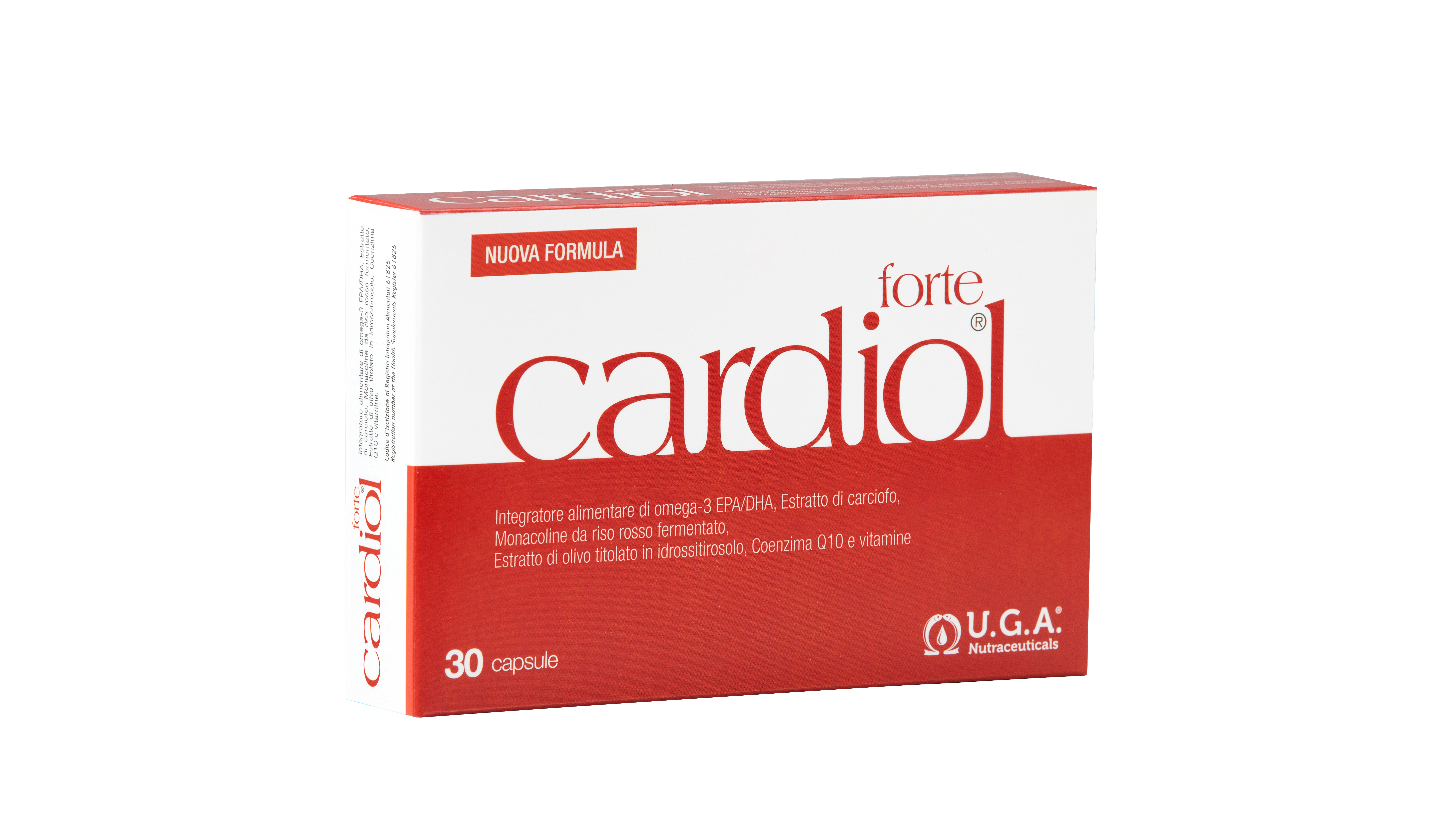
U.G.A Nutraceuticals produces three products for the health of your heart and cardiovascular system: Cardiol Forte and Cardiol:
Cardiol Forte is a dietary supplement based on omega-3 EPA and DHA fatty acids from highly purified and concentrated fish oil, artichoke extract standardized in chlorogenic acid and luteolin 7-glucoside, monacolins from fermented red rice, olive extract standardized in Hydroxytyrosol, and Coenzyme Q10. The formulation is completed by vitamin E, piperine, and folic acid. In particular, the powdered extract obtained from Cynara cardunculus L. artichoke leaves is standardized to 10% chlorogenic acid and derivatives (bio-phenols) and 2% luteolin 7-glucoside and derivatives (flavonoids). The bio-phenols in the artichoke extract have choleretic, cholagogue, and hepatoprotective activity. Moreover, the flavonoids present inhibit cholesterol biosynthesis and protect LDL from oxidative damage. Additionally, the intake of 250 mg of EPA and DHA per day contributes to normal cardiac function.
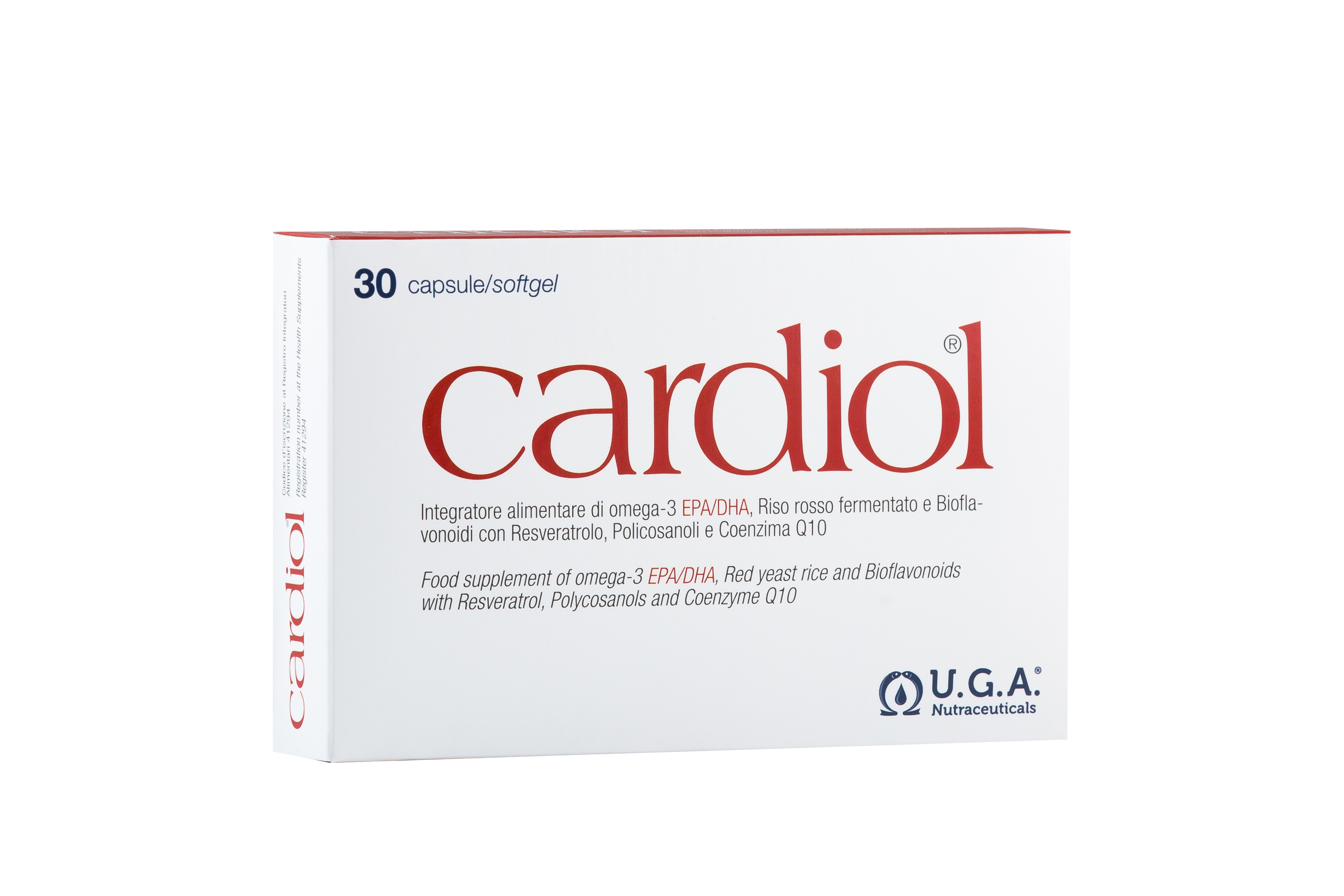
Cardiol is a dietary supplement based on omega-3 EPA/DHA, monacolins from fermented red rice, bioflavonoids, resveratrol, policosanols, and coenzyme Q10. Similarly to Cardiol Forte, Cardiol contains omega-3, whose intake of 250 mg of EPA and DHA per day contributes to normal cardiac function, and monacolins from fermented red rice. The formulation is completed by B vitamins, resveratrol, and policosanols. Regarding the latter ingredient, some scientific studies show their role in the oxidation process of LDL cholesterol.
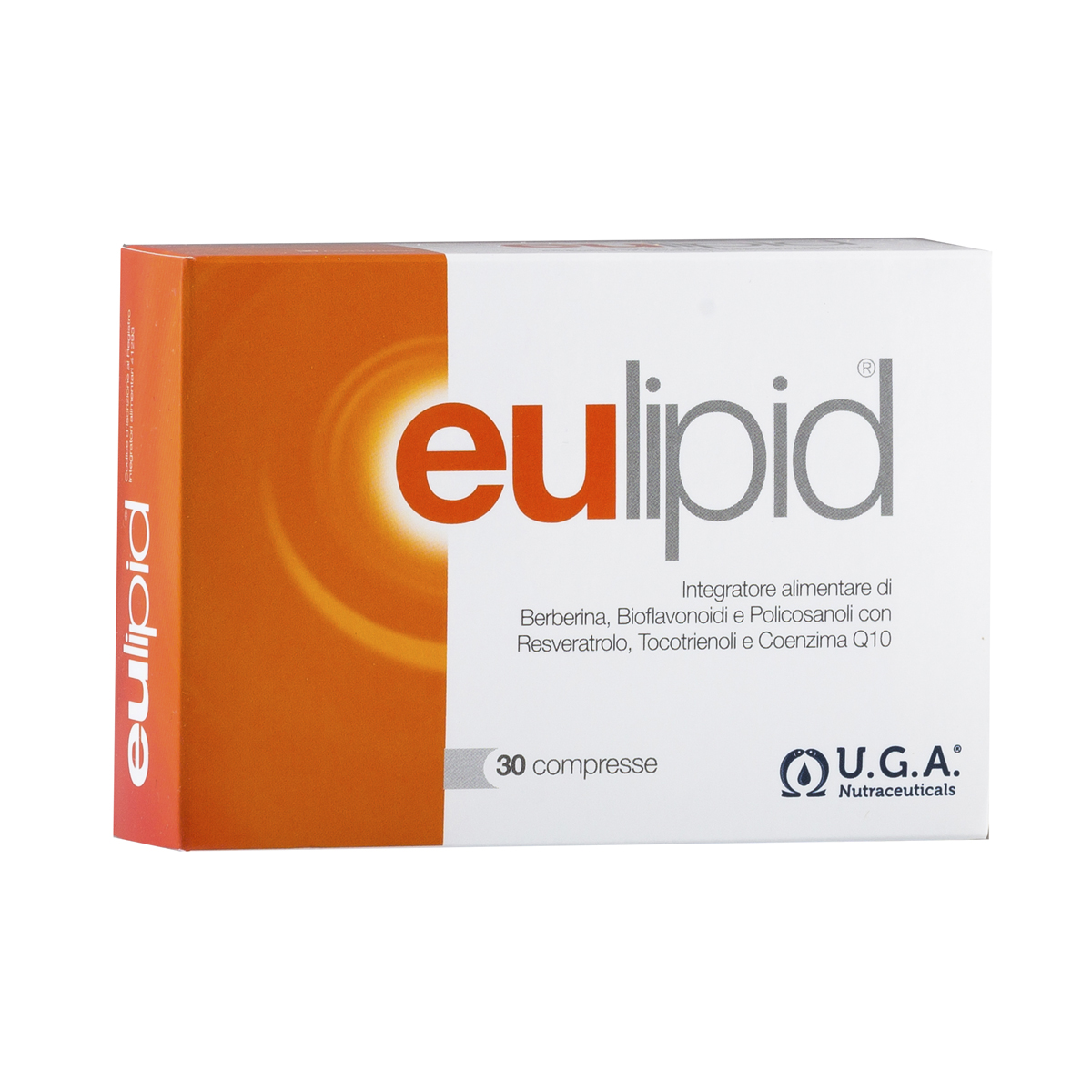
Eulipid contains a substance, berberine, extracted from Berberis aristata; a plant widely used in traditional Ayurvedic medicine that facilitates the “capture” of cholesterol by the liver. Eulipid also contains resveratrol, bioflavonoids, tocotrienols, policosanols, and coenzyme Q10 with antioxidant and protective action for the circulatory system.
All supplements produced by U.G.A Nutraceuticals comply with very high quality standards and have obtained ISO 9001:2015 certification; an additional guarantee of quality and safety of the products throughout their life cycle.


