

High Triglycerides, Reference Values and When to Worry

Having high triglycerides is a risk factor for cardiovascular health. Let’s discover together the reference values and when they should alert us.
When we undergo blood tests, cholesterol is not the only substance we should worry about: high triglycerides can also increase the risks to our health. In fact, these fats – the most abundant type present in our body – jeopardize the well-being of the heart and arteries, promoting the onset of cardiovascular diseases and serious events such as heart attacks and strokes.
Here is what exactly they are and what the reference values are for our blood tests.
Not only in the blood
Just like cholesterol, triglycerides are transported in the blood inside particles made of proteins and fats, called VLDL (Very Low Density Lipoproteins). VLDL carry triglycerides obtained through diet to the various tissues of the body; sources of triglycerides include butter, oils, and other fat-containing foods. However, triglycerides can also be synthesized by the body. In particular, the liver can produce them both from sugars and alcohol; for this reason, any carbohydrates consumed in excess of the body’s needs can be converted, as well as alcohol, into triglycerides. These can then accumulate in adipose tissue; therefore, triglycerides are not only present in the blood but also in fat tissue.
High triglycerides: the causes
One of the main reasons behind high triglycerides is a diet too rich in calories. In fact, if you consume more calories than the body needs, it converts the excess into triglycerides to store them in adipose tissue. This is why, as mentioned, sugars are converted into triglycerides. Similarly, the body converts excess alcohol into triglycerides, but other factors can also promote their increase, in particular:
- overweight and obesity;
- cigarette smoking;
- thyroid problems;
- liver or kidney diseases;
- type 2 diabetes not adequately controlled;
- genetic problems – particularly in the case of familial hypertriglyceridemia, an inherited disease caused by a gene defect;
- the use of certain medications.
High triglycerides: reference values
To find out if triglyceride levels are too high, a simple blood test is enough. The reference value is set at 150 mg/dL. This means that from this concentration onward, one should start to be concerned. In fact, triglyceride values equal to or above 150 mg/dL are considered a risk factor for arterial health. The situation is considered particularly risky if such high triglyceride levels are associated with low levels of HDL cholesterol or metabolic syndrome. Values below 150 mg/dL can instead be considered normal. Fortunately, lifestyle can help keep them below these reference values. The tools to use are:
- weight control;
- physical activity;
- abstinence from smoking;
- limiting alcohol consumption;
- healthy eating habits.
In particular, the diet should not be rich in sugars and refined foods. Moreover, saturated fats typical of foods such as butter and meats should be replaced with unsaturated fats, especially Omega-3 from fish, which can also be taken as quality dietary supplements such as Cardiol, which also helps control blood cholesterol.
High triglycerides: symptoms
It is not uncommon to have no particular symptoms even if triglycerides exceed optimal values. However, since very high triglycerides increase the risk of acute pancreatitis, hypertriglyceridemia may manifest itself with warning signs of this condition, which include:
- nausea;
- epigastric pain (in the upper abdomen, below the ribs);
- eruptive xanthomas (small yellow-reddish skin formations, sometimes itchy or sensitive to touch, containing fats);
- retinal lipemia (a condition where fats accumulate in the blood vessels at the back of the eye, giving it a reddish tint).
Also, since familial chylomicronemia syndrome and primary mixed hyperlipidemia type 5 (two genetic disorders characterized by chylomicron accumulation) are among possible causes of high triglycerides, hypertriglyceridemia may be associated with some of their symptoms. Besides epigastric pain, retinal lipemia, and eruptive xanthomas (often clustered on the trunk, buttocks, or limbs), common symptoms of these conditions include:
- hepatosplenomegaly (enlargement of liver and spleen);
- focal neurological disorders (for example irritability);
- epigastric pain.
Finally, hypertriglyceridemia associated with familial dysbetalipoproteinemia (a condition caused by the accumulation of a particular type of VLDL) can lead to yellowing of the palm creases and the formation of tuberous xanthomas (fatty skin deposits that can reach up to 3 cm in diameter).
Not only in the blood
Just like cholesterol, triglycerides are transported in the blood inside particles made of proteins and fats, the VLDL (Very Low Density Lipoprotein) and chylomicrons. Chylomicrons transport triglycerides absorbed through the diet; sources include butter, oils, and other fat-containing foods. VLDL, on the other hand, transport triglycerides synthesized by the body. The liver can produce them from both sugars and alcohol; for this reason, any carbohydrates consumed in excess of the body’s needs can be converted, as well as alcohol, into triglycerides.
Sources:
MedlinePlus. Familial hypertriglyceridemia. https://goo.gl/Edj29g, 04/05/18 MedlinePlus. Triglycerides. https://goo.gl/ERwTCP, 04/05/18
MedlinePlus. Triglycerides level. https://goo.gl/DzoZBv, 04/05/18 Ministero della Salute. Linee guida per la prevenzione dell'aterosclerosi. Settembre 2004 Image: Phillip Jeffrey - Flickr
Recommended products
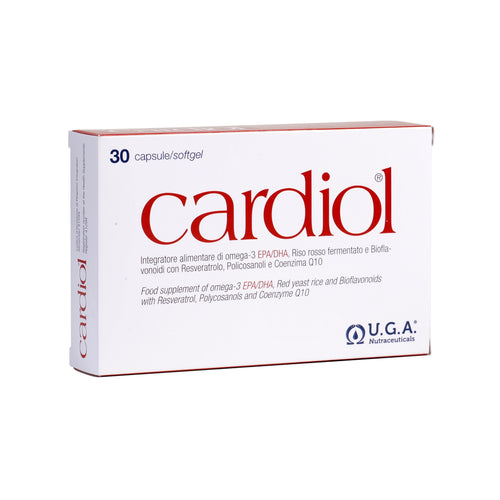
Cardiol
Nature has its aces up its sleeve, science knows how to play them. In Cardiol® we have brought together 8 strategic allies for cardiovascular well-being: from Omega-3 EPA and DHA to monacolin K from red rice, from bioflavonoids with resveratrol to coenzyme Q10, up to B vitamins.
Optimal cardiac function. Regular homocysteine metabolism. Normal cholesterol levels. These three goals are at the heart of Cardiol®, a unique supplement where every milligram is designed to make a difference.
Serving Size: 1
Number of servings: 30
Lot and expiry: 5108230 - July 2025

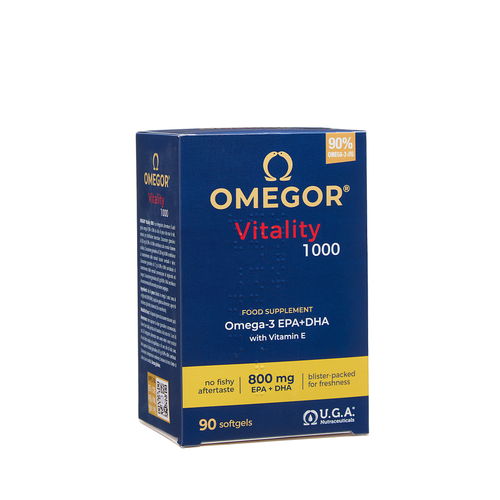
OMEGOR Vitality 1000 - 90 capsules
Just 3 words: power, freshness, purity . And always 5 stars. OMEGOR® Vitality is a concentrate of Omega-3 evaluated by IFOS (International Fish Oil Standards), the most famous quality certification in the field of Omega-3 supplements, always with the maximum score since 2005, the year of its commercialization. It is the top of the range.
Serving Size: 1-4 capsules
Number of servings: 22-90
Lot and expiry: 2605401 - 06/2029
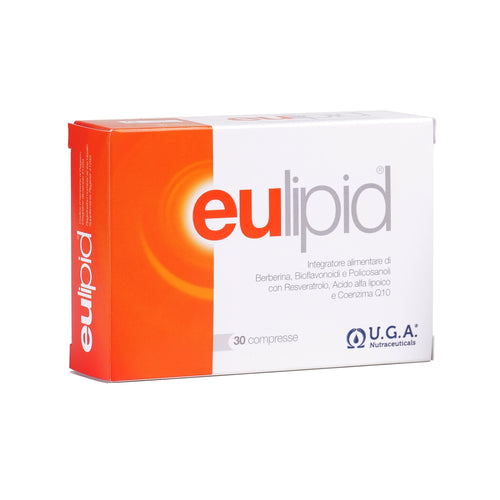
Eulipid™
The French paradox inspired a revolution. Eulipid® combines the best of Ayurvedic, Chinese and Western traditions in a surprising formula: Berberine from Berberis aristata meets resveratrol from Polygonum cuspidatum - the same active ingredient in red wine - and the precious bioflavonoids of citrus fruits. But it is in the union with tocotrienols, policosanols and coenzyme Q10 that this formula reveals all its effectiveness in maintaining normal cholesterol levels.
Serving Size: 1
Number of servings: 30
Lot and expiry: 26A272 - 04/2029
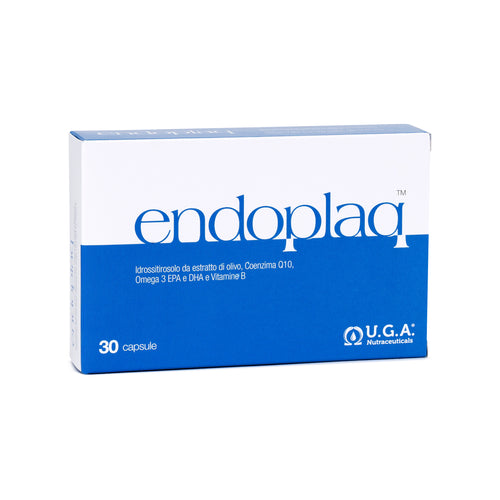
Endoplaq™
3 is the perfect number, even when it comes to cardiovascular protection. Ultra-purified Omega-3 for cardiac function, hydroxytyrosol from olive for antioxidant protection, coenzyme Q10 for cellular energy optimization. Endoplaq™ is not just a supplement, but a wellness ecosystem designed by the most advanced science.
Serving Size: 1
Number of servings: 30
Lot and expiry: 6536754 - 11/2028
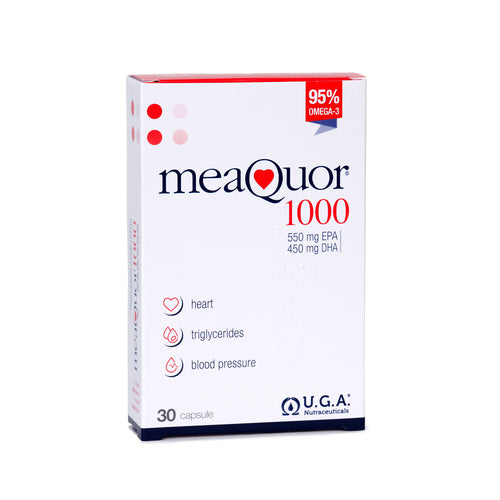
Meaquor 1000 - 30 capsules
There is concentration and Concentration. Meaquor® 1000 belongs to the second category: a concentrate of EPA and DHA so pure and powerful that it deserves 5 IFOS stars (International Fish Oil Standards, the most authoritative certification body for the quality of fish oils) on every single batch. Through multiple molecular distillation, we obtain a fish oil with extraordinary purity and very high concentrations of Omega-3. Meaquor ® 1000 is the choice of those who know that, when it comes to well-being and cardiovascular health, even a milligram can make a difference.
Serving Size : 1-3
Number of servings : 10-30
Lot and expiry : 257405 - 10/2028


