
Resveratrol Reduces Cardiovascular Risk in Smokers
Resveratrol: helps smokers reduce heart risks
Supplementation with resveratrol can have beneficial effects on the cardiovascular system of smokers by limiting oxidative stress and inflammatory status. This natural compound appears to increase total antioxidant capacity, reduce triglyceride concentration, and lower levels of C-reactive protein (CRP), a molecule that rises during inflammation.
This was discovered by researchers at the Department of Medical Sciences, University of Turin. The study, published in Current Medicinal Chemistry, represents a true innovation as it is the first to investigate the effects of resveratrol in smokers.
Resveratrol: a natural molecule with many virtues
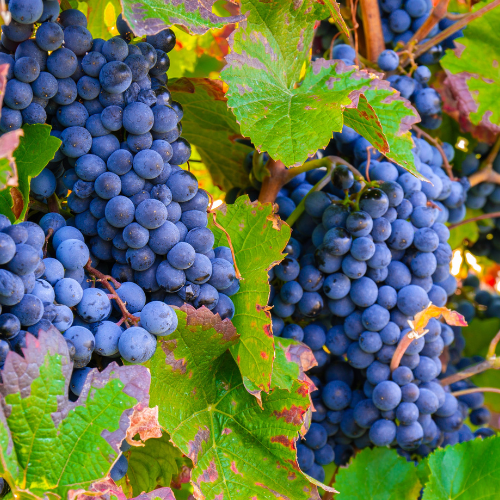
Resveratrol is a phenolic compound produced by various plant species; it is found, for example, in the skin of grape berries. This compound has anti-inflammatory and vasorelaxant activities. It inhibits platelet aggregation, oxidation of low-density lipoproteins (LDL), and increases good cholesterol (HDL), thereby reducing the risk of myocardial and arteriosclerotic diseases. Resveratrol also counters damage caused by free radicals. Recent data show that, thanks to its antioxidant and antimutagenic activities, it also appears to have a chemoprotective action by inhibiting tumor development. These findings have suggested that this phenolic compound could counteract the effects of cigarette smoking. In smokers, indeed, oxidative and inflammatory states are increased.
Positive effects of supplementation
The study was conducted on 50 subjects aged 20 to 50 years, who smoked at least 5 cigarettes daily at the time of the trial and had a history of at least 20 pack-years. None suffered from cardiovascular diseases, hypertension, or renal dysfunction, nor were on medical therapies or supplements. During the trial, half of the subjects received 500 mg of resveratrol for 30 days, followed by 30 days off and then 30 days of placebo. The other 25 participants took placebo first, then had a 30-day break, followed by 30 days of resveratrol supplementation. Blood levels of inflammation and oxidative stress markers were analyzed. Results showed that C-reactive protein, produced by the liver in response to inflammation, decreased by 50% after one month of resveratrol supplementation compared to the placebo month. This value is 26% higher than that found in a previous study with 8 mg of resveratrol over a year. Moreover, after supplementation, blood triglyceride levels decreased by 70%, while total antioxidant status increased by 74.2 μmol/L.
Resveratrol reduces inflammatory and oxidative molecules
Based on these results, researchers hypothesize that resveratrol may dose-dependently reduce cytokine levels that stimulate CRP release from the liver. It may also reduce oxidative stress by counteracting free radical effects in respiratory tract cells. Regarding triglycerides, resveratrol might mobilize fat deposits from peripheral tissues to be metabolized by muscles. The study showed no effect of supplementation on body weight, waist circumference, blood pressure, or other metabolic variables. All these findings suggest that resveratrol intake could reduce the risk of cardiovascular diseases in healthy smokers. Further studies will be conducted to examine the positive effects of the compound in smokers with chronic inflammatory conditions, such as obstructive pulmonary diseases.
Source: S. Bo, G. Ciccone, A. Castiglione, R. Gambino, F. De Michieli, P. Villois, M. Durazzo, P. Cavallo-Perin and M. Cassader “Anti-Inflammatory and Antioxidant Effects of Resveratrol in Healthy Smokers A Randomized, Double-Blind, Placebo-Controlled, Cross-Over Trial” Current Medicinal Chemistry, Vol 20. Iss10, pp 1323-1331 (9)


