

Vitamin D: Here are the health benefits
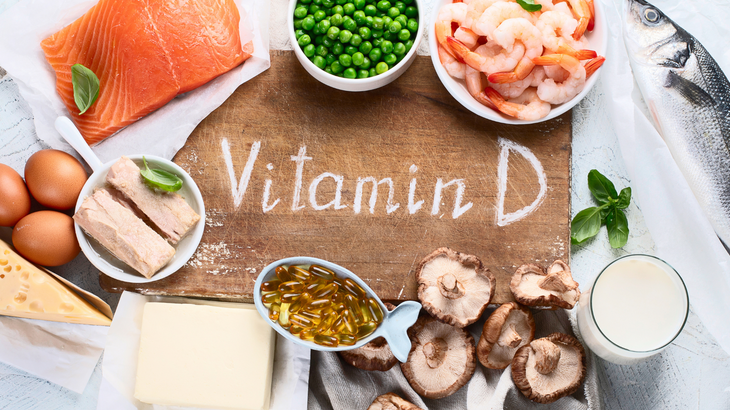
Vitamin D: all its benefits
There is a relationship between health status and vitamin D. When found in optimal blood concentrations, it is associated with a substantial reduction in the risk of cardiovascular and respiratory diseases, bone fractures, and mortality.
This is stated in a study published by the American Journal of Clinical Nutrition and conducted by researchers from the School of Clinical Medicine, University of Cambridge (UK), who examined the relationship between serum vitamin D levels and the incidence of diseases and mortality in adults.
The sunshine vitamin
The term vitamin D refers to two biologically inactive precursors: D3, also known as cholecalciferol, and D2, known as ergocalciferol. Both D3 and D2 are converted in the liver and kidneys into 25-hydroxyvitamin D (25(OH)D), the storage form of the vitamin, and 1,25-dihydroxyvitamin D (1,25(OH)2D), the active form. As is well known, besides obtaining vitamin D from foods, the human body can produce it through a series of reactions that start with sunlight exposure on the skin. In some countries, especially during winter months, vitamin D deficiency is very common; in these cases, dietary supplements and fortified foods can help increase intake.
In optimal amounts it reduces disease risk
The researchers, led by Kaytee Khaw, collected data on serum vitamin D concentrations between 1997 and 2000 from 14,641 men and women aged 42 to 82, living in Norfolk, UK. Participants were followed until 2012 and divided into 5 groups based on serum 25(OH)D concentrations. Taking into account variables such as age, sex, smoking, and physical activity, results showed that for every 20 nmol/L increase in 25(OH)D concentration, the risk of cardiovascular disease decreased by 4%, respiratory disease by 11%, fractures by 11%, and mortality by 8%. The highest mortality rates were observed in individuals with concentrations below 30 nmol/L, while the lowest rates were found in subjects with concentrations above 90 nmol/L. However, unlike other studies, no association was found between vitamin D levels and cancer risk.
Vitamin D supplementation to reduce deficiency
The study results demonstrated a significant reduction in the risk of respiratory diseases, bone fractures, and cardiovascular diseases in subjects with high vitamin D levels. Mortality risk was also lower in adults with concentrations above 90 nmol/L, and there was no evidence of increased mortality in subjects with higher concentrations, suggesting that a moderate increase in levels may have potential health benefits without harmful effects.
Source: KT. Khaw, R. Luben, N. Wareham. “Serum 25hydroxyvitamin D, mortality, and incident cardiovascular disease, respiratory disease, cancers, and fractures: a 13y prospective population study” American Journal of Clinical Nutrition. Published online ahead of print, doi: 10.3945/ajcn.114.086413


