
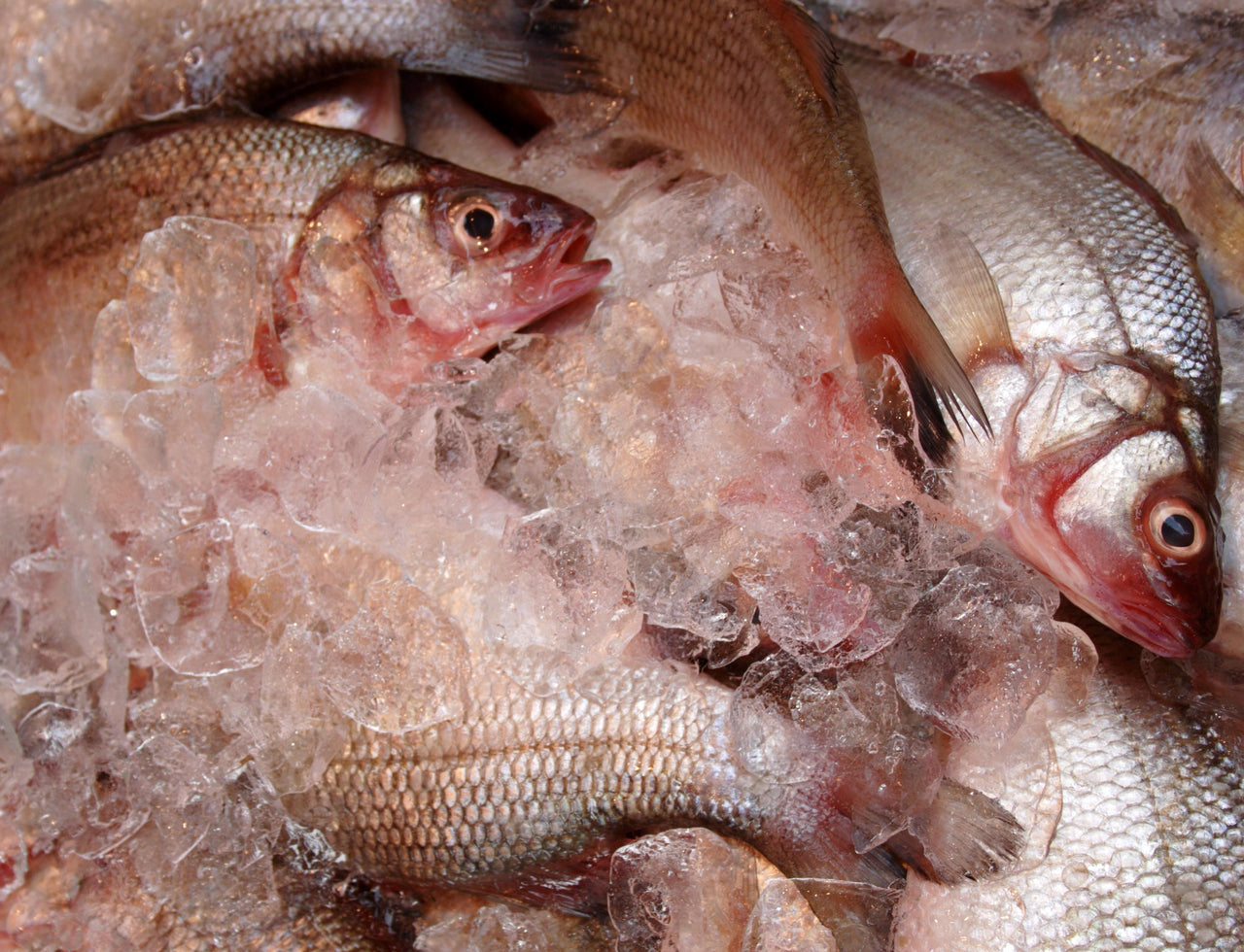
Depression: People who eat fish are less likely to get sick
Depression: More Fish, Less Risk!
High fish consumption, alone or combined with a diet rich in fruits, vegetables, and whole grains, is associated with a 17% lower risk of suffering from depression compared to low consumption. This result sheds light on a relationship previously considered controversial. Among the mechanisms underlying the protective action of fish is the ability of omega-3 to modify neuronal membranes.
These are the findings of researchers from the Department of Epidemiology and Health Statistics at Qingdao University (China), who conducted a study published in the Journal of Epidemiology & Community Health.
Depression: a widespread disorder
Depression is a mood disorder that affects the cognitive, affective, and behavioral spheres of the individual, preventing them from leading a normal life. In Italy, at least 1.5 million people suffer from depression. According to the World Health Organization, by 2020 depression will be the second leading cause of illness worldwide, after cardiovascular diseases.
Depression is probably caused by a combination of various factors: genetic, environmental, psychological, and biological. Among the latter, particular importance seems to be given to the deficiency of neurotransmitters such as serotonin, norepinephrine, and dopamine. Other research has also suggested that omega-3 may be involved in the disease. Several studies have found that individuals with depression have lower omega-3 levels compared to the general population. In 2012, a study by researchers at the University of Milan, conducted on the elderly, revealed that those suffering from depression had particularly low EPA levels in red blood cell membranes.
Nutrition and lifestyle to fight depression
The study conducted by the Chinese researchers was a meta-analysis, meaning it considered the results of other studies. They selected 26 publications on the subject, conducted worldwide between 2011 and 2014, totaling 150,278 people. Statistical analyses showed that those who consumed large amounts of fish had a 17% lower risk of depression compared to those who consumed smaller amounts. The biological mechanism behind this result has not yet been clarified, but there are several hypotheses.
Among these is the general tendency of people who consume more fish to lead a generally healthier lifestyle, not only in terms of diet. Moreover, omega-3s in fish can modify the structure of neuronal membranes, facilitating the release of neurotransmitters dopamine and serotonin. Supporting this hypothesis, in 2014 a meta-analysis was published in PloS One by researchers from the University of Catania. In this case, scientists found that omega-3 supplementation in patients with major depressive disorder or depressive symptoms had a beneficial clinical effect compared to placebo treatment. In particular, clinical efficacy was demonstrated when omega-3 was administered alongside conventional therapies, highlighting their effectiveness as an adjunct.
Omega-3 in fish influence depression risk
According to the authors of the Chinese study, the results indicate that high fish consumption may reduce the risk of depression. Regarding these findings, Majid Fotuhi, medical director of the Neuro Grow Brain Fitness Center in Virginia and consultant at Johns Hopkins University (United States), recalled the role of omega-3 in improving blood flow, including in the brain, and in counteracting mood disorders.
Sources: Li F, Liu X, Zhang D Fish consumption and risk of depression: a meta-analysis.- J Epidemiol Community Health. 2015 Sep 10. pii: jech-2015-206278. doi: 10.1136/jech-2015-206278. [Epub ahead of print]. Giuseppe Grosso, Andrzej Pajak, Stefano Marventano, Sabrina Castellano, Fabio Galvano, Claudio Bucolo, Filippo Drago, and Filippo Caraci. “Role of Omega-3 Fatty Acids in the Treatment of Depressive Disorders: A Comprehensive Meta-Analysis of Randomized Clinical Trials”. PLoS One. 2014; 9(5): e96905. Published online 2014 May 7. doi: 10.1371/journal.pone.0096905


