
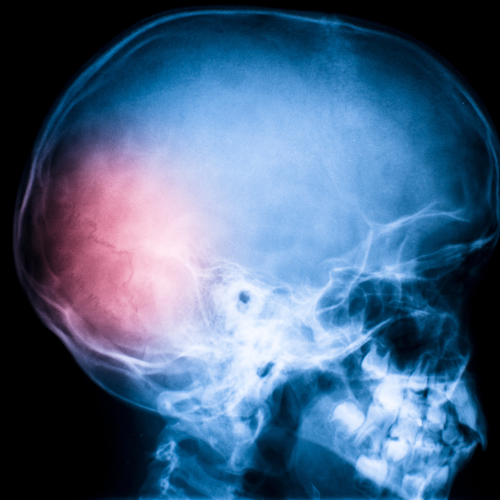
Omega-3 Potential New Therapy for Head Trauma Recovery
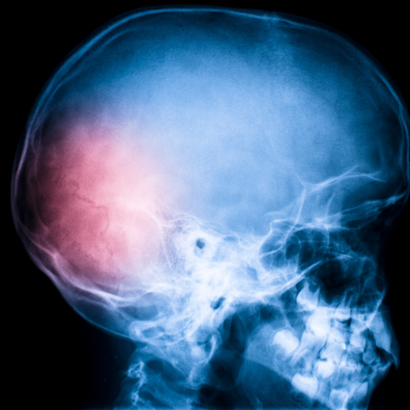
Omega-3: a new potential therapy for recovery from traumatic brain injury
The results of the first study demonstrating the benefits of Omega 3 on the brain during recovery following a traumatic brain injury have been published. Omega-3s could be useful to reduce the long-term negative effects on the brain caused by traumatic brain injury. In particular, experts suggest the greatest effects might be achieved by administering these fatty acids to the patient already in the emergency room. This is suggested by Michael Lewis, Parviz Ghassemi, and Joseph Hibbeln, authors of a study published in the American Journal of Emergency Medicine1, which for the first time tested the effects of administering Omega-3 during recovery after a traumatic brain injury.
Omega-3 for brain health
Years of research have shown that Omega-3s, the “friendly” fats for health, are important for the nervous system from the earliest stages of development. For this reason, experts recommend that pregnant women ensure an adequate intake of these nutrients both during pregnancy and breastfeeding. Moreover, from childhood through old age, these fatty acids help maintain a healthy brain, and increasing research supports the hypothesis that Omega-3s are also important for cognitive abilities.
A help in case of traumatic brain injury
Interest has grown in recent years regarding the potential benefits of these nutrients following traumatic brain injury, one of the leading causes of traumatic death and disability. The mortality associated with this type of injury has been greatly reduced thanks to advances in surgical techniques and intensive care, but specific therapies for the recovery phase are still lacking. Recovery involves a period during which the brain has to cope with issues such as inflammation and the presence of free radicals. In 2010, the United States Institute of Medicine (IOM) identified Omega-3s as molecules whose benefits should be tested during this recovery phase. The study by Lewis and colleagues is the first to shed light on these potentials. The researchers administered high doses of these fatty acids to a teenager recovering from a severe motorcycle accident. Specifically, 10 days after the brain injury, the boy received 9.756 grams of EPA (eicosapentaenoic acid) and 6.756 grams of DHA (docosahexaenoic acid), the main dietary Omega-3s. The therapy, the authors explained, led to gradual improvements both cognitively and physically, so much so that 3 months after the accident the boy graduated, and 4 months after the injury he was able to return home, where he continued therapy for the entire following year.
Great hopes
The results seem to indicate that Omega-3s provide the brain with the nutritional basis to heal. However, since this is the first case in which these fatty acids have been used during recovery after traumatic brain injury, only further research will confirm the benefits of Omega-3s in restoring brain function.
Source 1. Lewis M, Ghassemi P, Hibbeln J, “Therapeutic use of omega-3 fatty acids in severe head trauma,” Am J Emerg Med. 2012 Aug 3


