
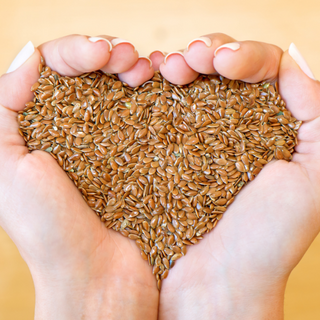
Flaxseeds with Omega-3 Reduce Radiation Damage

Plant-based Omega 3: less radiation damage thanks to flaxseeds
The intake of flaxseeds, dietary sources of Omega 3, can reduce lung damage associated with radiation exposure. This is suggested by a study conducted by Melpo Christofidou-Solomidou and colleagues at the University of Pennsylvania in Philadelphia (United States), published by BioMed Central Cancer. The researchers studied the effects of flaxseed intake in mice subjected to chest X-rays. The results were interesting: post-treatment supplementation with these plant-based foods allows to:
- reduce pulmonary fibrosis;
- decrease inflammation;
- decrease the production of molecules that activate the immune system;
- increase survival.
This treatment counteracts the same type of damage caused by radiotherapy.
Flaxseeds: properties
Flaxseeds, plant products rich in Omega-3 fatty acids, are especially known for their antioxidant and anti-inflammatory properties. In a previous study published in Cancer Biology & Therapy, Christofidou-Solomidou demonstrated that these foods help prevent lung damage in mice subjected to chest X-ray therapy. This type of treatment, as well as inhalation of radioactive molecules dispersed in the air, is associated with inflammation, oxidative tissue damage, and irreversible lung fibrosis. In the new study, the researchers evaluated whether intake of these seeds could mitigate the effects of X-rays after radiation exposure had already occurred.
The study
The diet of mice undergoing X-ray therapy was enriched with 10% flaxseeds immediately after treatment or 2, 4, or 6 weeks after radiation exposure. As a control, other mice were given a diet without the supplement.
Protection from flaxseeds
Four months after treatment, the survival rate of mice that did not receive flaxseeds was 40%. For animals that received the Omega-3-rich supplement, survival ranged between 70% and 88%. Lung analysis and a fibrosis marker also showed that these mice had lower levels of fibrosis compared to the control group. Additionally, researchers observed less weight loss and fewer inflammatory molecules in animals that had consumed flaxseeds, which also showed higher blood oxygenation compared to other mice. Inflammation cell migration in the lungs was reduced only if supplementation began no later than 2 weeks after X-ray treatment.
Flaxseeds to repair lungs
The results show that substances contained in flaxseeds help counteract lung damage normally associated with radiation exposure. Following this series of experiments, the researchers began testing the effectiveness of this supplement’s administration in patients undergoing anticancer therapies.


