
Discover the benefits of Omega-3 during menopause
Menopause is a natural event in a woman's life, but it can be accompanied by various unwanted symptoms - from hot flashes to mood changes. Omega-3 fatty acids are emerging as potential allies for women seeking remedies to alleviate these disorders and improve their quality of life during this transitional phase. In fact, these important nutrients are known both for their cardiovascular benefits and for their ability to modulate inflammatory and hormonal responses - all useful characteristics for women facing this event.
Omega-3: a natural support for hormonal health
During menopause, a woman's body has to cope with the reduction in estrogen production, the quintessential female hormones; this reduction can indeed manifest with a series of physical and emotional side effects. Omega-3s, in particular EPA (eicosapentaenoic acid) and DHA (docosahexaenoic acid), play a crucial role in hormonal balance. Regular consumption of these fatty acids has been associated with a reduction in the frequency and intensity of hot flashes, one of the most common and bothersome symptoms of menopause. Moreover, Omega-3s have anti-inflammatory properties that can be particularly beneficial in combating systemic inflammation associated with menopause, helping to manage other symptoms such as joint stiffness and muscle pain.
Improvement of mental well-being with omega-3
Menopause can affect psychological well-being, causing episodes of depression and anxiety. Omega-3s are essential for brain health and have been associated with improvements in cognitive function and mood. In particular, taking supplements based on these fats has been associated with a reduction in depression and an improvement in emotional well-being. For this reason, Omega-3s could offer significant support during this phase of life when women are particularly vulnerable.
How to introduce omega-3s into your diet
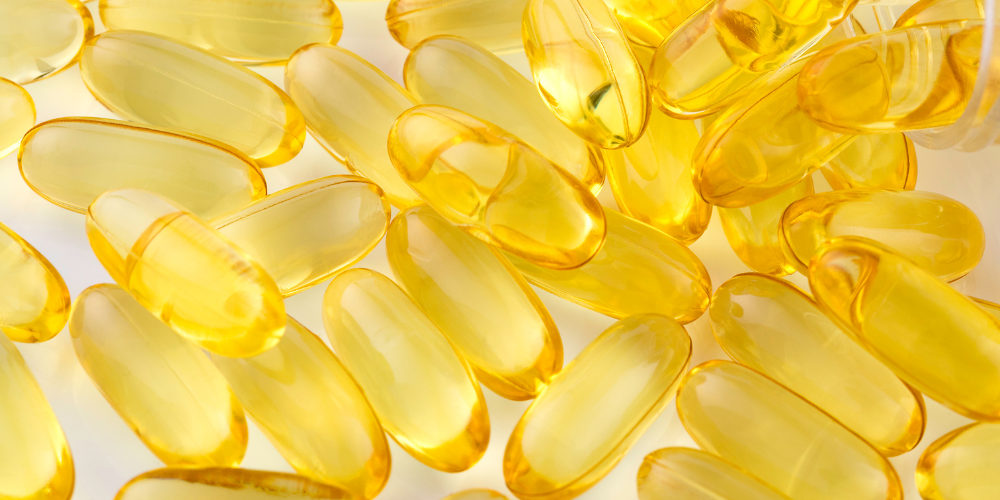
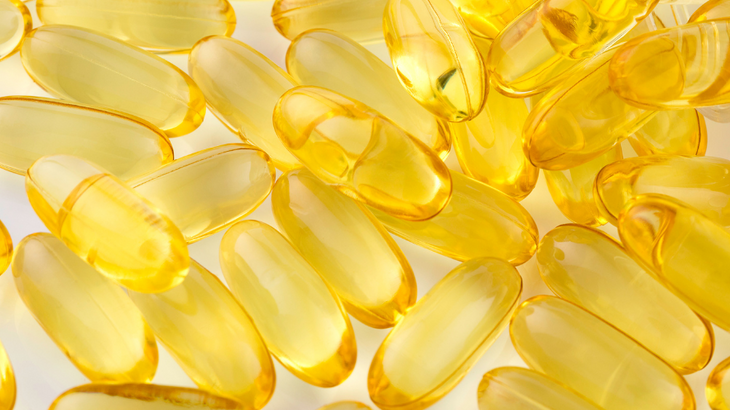
Introducing EPA and DHA Omega-3s into your diet during menopause is essential. The food that helps you do this is fatty fish, such as salmon, mackerel, and herring. If you do not eat enough fish or are looking for a valid alternative, Omega-3 supplements can be an excellent choice. However, to maximize their benefits it is important to purchase high-quality supplements that provide both EPA and DHA.
Conclusions
Omega-3s are more than nutritional support: they are a true necessity for women facing menopause. They offer a natural and effective aid to mitigate many of the symptoms associated with this phase, improving both physical and mental health. Consider the possibility of speaking with a health professional to properly integrate Omega-3s into your daily routine; in this way, you can take full advantage of their benefits during menopause.
And remember: these fats promote good cardiovascular health, a crucial aspect at this stage of your life.
Bibliographic references:
Decandia D, Landolfo E, Sacchetti S, Gelfo F, Petrosini L, Cutuli D. n-3 PUFA Improve Emotion and Cognition during Menopause: A Systematic Review. Nutrients. 2022 May 9;14(9):1982. doi: 10.3390/nu14091982
Freeman MP, Hibbeln JR, Silver M, Hirschberg AM, Wang B, Yule AM, Petrillo LF, Pascuillo E, Economou NI, Joffe H, Cohen LS. Omega-3 fatty acids for major depressive disorder associated with the menopausal transition: a preliminary open trial. Menopause. 2011 Mar;18(3):279-84. doi: 10.1097/gme.0b013e3181f2ea2e
Wang J, Gaman MA, Albadawi NI, Salem A, Kord-Varkaneh H, Okunade KS, Alomar O, Al-Badawi IA, Abu-Zaid A. Does Omega-3 Fatty Acid Supplementation Have Favorable Effects on the Lipid Profile in Postmenopausal Women? A Systematic Review and Dose-response Meta-analysis of Randomized Controlled Trials. Clin Ther. 2023 Jan;45(1):e74-e87. doi: 10.1016/j.clinthera.2022.12.009


