
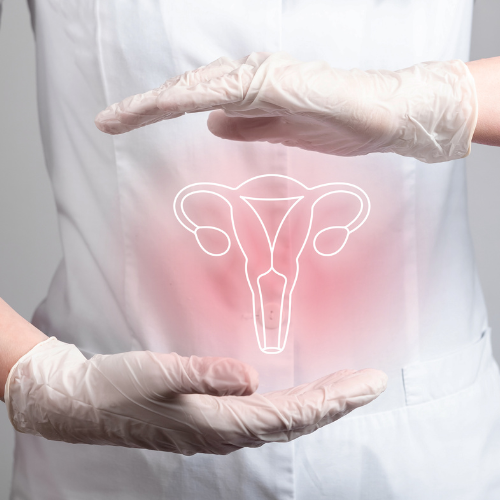
Polycystic Ovary: Omega-3 May Be a Simple and Safe Strategy for Treating the Disease
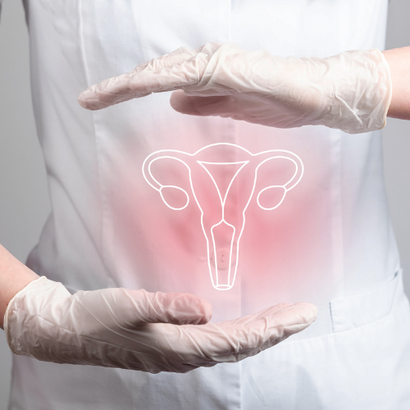
Regular consumption of omega-3 fatty acids can have a beneficial effect in the treatment of Polycystic Ovary Syndrome (PCOS) and its many associated complications; primarily insulin resistance, dyslipidemia, and excess body weight.
According to the latest research, the effects of omega-3s are based on numerous biological mechanisms, including their ability to reduce inflammation and regulate hormones. A diet rich in omega-3s combined with a healthy lifestyle and adequate supplementation could therefore represent an effective strategy for managing a condition that affects millions of women of reproductive age, with serious physical, reproductive, and psychological effects.
What exactly is Polycystic Ovary Syndrome?
Polycystic Ovary Syndrome (PCOS) is a very common endocrine disorder affecting between 8 and 13% of women of reproductive age and is one of the leading causes of infertility. There is no universally accepted definition of PCOS because the syndrome presents with a rather heterogeneous variety of symptoms, often causing delays and confusion in diagnosis. According to the so-called Rotterdam criteria developed in 2003, the diagnosis of PCOS depends on the identification of at least two of the following symptoms: oligo-anovulation (irregular or absent ovulation), excess male hormones, and polycystic ovaries detected by ultrasound.
The disorder is characterized by increased androgen production and insulin resistance, two conditions that prevent the proper maturation of ovarian follicles, blocking ovulation and causing the most visible signs of the syndrome (acne, hirsutism). Insulin resistance is a condition in which the body's cells reduce their sensitivity to insulin action and, therefore, insulin release causes a biological response lower than normal.
Insulin resistance contributes to the accumulation of adipose tissue with the risk of developing obesity and related disorders, such as metabolic syndrome, type 2 diabetes mellitus, hypertension, dyslipidemias—high triglycerides and elevated LDL cholesterol—atherosclerosis, and endometrial carcinoma. The effects of PCOS are numerous and manifest at reproductive, metabolic, and psychological levels. The most common are:
- Amenorrhea
- Hirsutism
- Visceral obesity
- Acne
- Alopecia
- Fertility disorders
- Anxiety and depression
Symptoms usually begin at a very young age, and the disorder is often associated with early puberty. It is also estimated that 40% of adolescents with menstrual irregularities suffer from PCOS. Polycystic Ovary Syndrome arises due to a combination of factors including genetics, intrauterine exposure to high androgen levels, and environmental factors such as diet.
Although the optimal treatment for PCOS has not yet been fully determined, multiple approaches are often recommended, including a combination of strategies involving dietary and general lifestyle changes, and the use of pharmaceutical and hormonal products.
Supplements based on inositols, a group of plant-derived molecules with insulin-sensitizing action, often appear helpful.
Polycystic ovary syndrome and diet: an appropriate diet can improve symptoms
Among the strategies for treating PCOS, modifying eating habits and increasing physical activity are definitely those that have shown the best effects, probably thanks to the resulting weight loss. Although there are cases of normal-weight women suffering from PCOS, most patients are overweight or obese, but unlike the average female population, those with polycystic ovary tend to accumulate fat primarily in the abdominal area, which, as is well known, is a powerful cardiovascular risk factor.
In cases of excess weight, weight loss leads to a clear improvement in PCOS symptoms, even just a 4-5% reduction can improve the condition at various levels. It is therefore clear that diet should aim to reduce daily caloric intake, paying particular attention to foods with a high Glycemic Index to improve insulin resistance and reduce cardiovascular risk.
The Glycemic Index measures the ability of carbohydrates to raise blood glucose after a meal, and is very high in foods containing simple and refined sugars. In PCOS cases, but not only, it may be appropriate to improve fat quality by choosing vegetable fats and reducing saturated fats (meat, cheese, butter, etc.). Furthermore, it is advisable to prefer anti-inflammatory foods and vegetables rich in antioxidants. The main recommendations in this regard can be summarized as follows:
- Maintain proper body weight
- Follow a balanced diet rich in vegetables
- Consume whole grains and legumes
- Limit simple sugars (sweets, candies, soft drinks)
- Limit fat intake, preferring vegetable fats
- Increase consumption of fish rich in omega-3
- Prefer cooking methods without fats
- Do not skip meals
- Prefer one-dish meals combining whole carbohydrates, proteins, and polyunsaturated fats
- Avoid alcohol
- Do not smoke
- Regularly engage in physical activity
The role of omega-3 fatty acids in managing Polycystic Ovary Syndrome
Regarding the effect of a healthy diet on PCOS symptoms, particular interest lies in foods rich in polyunsaturated fatty acids, especially those containing omega-3s. These have been studied in recent years mainly for their protective role against cardiovascular diseases, inflammatory diseases, and metabolic syndrome. In particular, it has been shown that diets where omega-6 intake is much higher than omega-3 intake are linked to chronic diseases.
This evidence has suggested a role for omega-3s in relation to symptoms linked to Polycystic Ovary Syndrome. Some studies have demonstrated that a low-calorie diet rich in omega-3s is recommended to reduce PCOS complications, especially in the presence of high insulin resistance and elevated triglycerides and cholesterol levels. More numerous are the studies investigating the effect of omega-3 supplements, revealing that in women with PCOS, supplementation is associated with improvement of many complications, including insulin resistance, dyslipidemia, and hyperandrogenism.
By what mechanism do omega-3s act?
The exact mechanism of action behind these effects is not yet fully clarified, but it appears to result from a combination of synergistic activities. The impact of omega-3s on PCOS seems linked to their anti-obesity and anti-inflammatory action, regulation of insulin and hormone response in general, and their ability to regulate the production of adipokines—molecules produced by adipose tissue.
Omega-3 as regulators of inflammation
Omega-3s contained in foods can exert their beneficial effects through modulation of the quantity and type of eicosanoids, a group of molecules derived from polyunsaturated fatty acids that regulate inflammatory response. Eicosanoids derived from omega-3s are capable of performing several functions such as:
- Inhibition of platelet aggregation
- Improvement of vasodilation
- Inhibition of cell proliferation
- Stimulation of immune response
These effects can positively influence various aspects of PCOS, including inflammation, regulation of blood pressure, and heart rhythm. Similarly, it has been shown that consuming foods rich in omega-3 fats can reduce the risk of other chronic inflammatory diseases. In particular, the main effect appears to be improving metabolic risk factors observed in patients affected by Polycystic Ovary Syndrome, such as dyslipidemias and insulin resistance.
In 2019, a meta-analysis—a study combining the results of other scientific studies—investigating the possible effect of omega-3s on PCOS complications showed that treatment with EPA and DHA supplements, in various amounts and with or without vitamin E supplements, can improve the clinical profile of women affected by polycystic ovary syndrome.
The antioxidant action of omega-3s
Omega-3s also have a strong antioxidant power, and women with PCOS show a significant increase in oxidative stress levels. Recently, a study published in the journal Archives of Gynecology and Obstetrics involved 60 women with polycystic ovary syndrome, investigating the effects of supplements containing antioxidants of different types: omega-3, folic acid, selenium, vitamin E, catechin, and coenzyme Q10.
The results showed a significant improvement in the ratio between LH (luteinizing hormone) and FSH (follicle-stimulating hormone), which is known to be altered in this condition. It seems obvious that the positive effect shown in the aforementioned study could be due to the combination of several antioxidant nutrients. However, this approach makes it impossible to attribute the positive impact of the treatment to any single ingredient. The molecules involved could influence PCOS-specific parameters through different mechanisms.
In particular, omega-3 fatty acids, selenium, vitamin E, and coenzyme Q10 are known to eliminate free radicals and inhibit lipid and protein oxidation. In any case, these data support evidence of the beneficial effects of micronutrients with antioxidant activity on the hormonal profile specific to Polycystic Ovary Syndrome.
The effect of EPA and DHA on body weight
Numerous scientific evidences suggest that omega-3 EPA and DHA could improve body composition by modulating energy metabolism and promoting weight loss, which is one of the main strategies for managing PCOS. Marine-derived omega-3s, especially EPA and DHA, regulate the number and size of adipocytes, the cells of adipose tissue, favoring weight loss. In 2013, a study highlighted a decrease in Body Mass Index in patients who followed daily supplementation of 1,500 milligrams of omega-3 for 6 months.
Similarly, other scientific works have shown a link between omega-3 consumption and a reduction in waist circumference and waist-to-hip ratio. In 2015, a study published in the Journal of Reproduction and Infertility demonstrated that treatment with omega-3s in women affected by PCOS was associated with a significant improvement in luteinizing hormone levels and adiponectin concentration, a substance with anti-inflammatory and insulin-sensitizing properties that is produced in low amounts in obese individuals.
Effect of omega-3s on insulin resistance
Further evidence supporting the importance of dietary omega-3 intake comes from their ability to modulate the permeability and sensitivity of cell membranes to insulin, thereby improving insulin resistance and reducing diabetes risk. Some studies show this effect following omega-3 supplement use: in the 2013 study by Oner and Muderris, insulin levels were significantly reduced after 6 months of fish oil supplement consumption.
Similarly, a 2018 study involving 30 women with PCOS found that those who consumed 2 grams per day of fish oil for 12 weeks showed a significant increase in insulin sensitivity and related laboratory parameters.
Which foods are richest in omega-3s?
Omega-3s are polyunsaturated fatty acids containing double bonds in their structure, distinguished by their chemical form and classified as:
- EPA, containing 20 carbon atoms, is particularly abundant in fish and algae. Among seafood products richest in EPA are bottarga, sardines, and nori seaweed.
- DHA, with 22 carbon atoms, is also abundant in fish and algae-derived products. Foods with the highest DHA content include bottarga, sardines, tuna, mackerel, and salmon.
- ALA (alpha-linolenic acid), with 18 carbon atoms, unlike the other two, is exclusively plant-based and found in high concentrations in walnuts, some oilseeds, and vegetable oils (canola, soybean), and to a lesser extent in leafy green vegetables and legumes.
An adequate dietary intake of ALA, EPA, and DHA can be obtained by consuming fatty fish at least twice a week, frequently eating leafy green vegetables, and weekly small portions of nuts or oilseeds.
Marine and plant-based omega-3s, when dietary intake is insufficient, can be taken through supplements readily available on the market. In managing Polycystic Ovary Syndrome, supplementation with omega-3 products is quite common and supported by many studies showing that supplementation improves numerous complications and comorbidities, including insulin resistance, dyslipidemia, hyperandrogenism, and regulation of metabolic indicators.
However, there is a clear lack of scientific research on dietary consumption of these fatty acids. Therefore, further studies are needed to investigate the effect of omega-3s contained in foods on PCOS complications. The use of EPA and DHA supplements, combined with an adequate diet and consistent physical activity, could thus represent a safe, simple, and economical supportive strategy alongside pharmacological treatment for managing the condition.
Which omega-3 supplements to choose?
Along with a healthy lifestyle and proper diet, the choice of fish oil-based supplements should be directed towards quality products made following high safety standards. In this regard, Omega products guarantee thorough purification processes allowing important certifications. Omegor Vitality 1000 is a concentrated fish oil supplement rich in omega-3s in triglyceride form, the form best absorbed by the body.
Omegor Vitality 1000 obtains 5-star IFOS (International Fish Oil Standards) certification for each batch, which attests to the concentration of EPA and DHA, purity, and freshness. This supplement can be particularly recommended for PCOS, thanks to the combination of EPA, DHA, and vitamin E, which, as supported by recent studies, can synergistically reduce some symptoms of the condition. Vitamin E contributes to protecting cells from oxidative stress and preserves the characteristics of fish oil. Stay always updated on the latest scientific research news on Omega-3 by subscribing to our newsletter.
Sources: Nadjarzadeh Al, et al. 2015. “Effect of Omega-3 Supplementation on Visfatin, Adiponectin, and Anthropometric Indices in Women with Polycystic Ovarian Syndrome.” J. Reprod Infertil. Oct-Dec;16(4):212-20. Fatemeh Haidari et al., 2020. The effects of flaxseed supplementation on metabolic status in women with polycystic ovary syndrome: a randomized open-labeled controlled clinical trial. Nutrition Journal. 2020; 19: 8. Helena J. Teede1 et al., 2018. “Clinical Recommendations from the international evidence-based guideline for the assessment and management of polycystic ovary syndrome.” Clinical Endocrinology. Mina Salek et al., 2019. Review article: N-3 FATTY ACIDS AS PREVENTIVE AND THERAPEUTIC AGENTS IN ATTENUATING PCOS COMPLICATIONS. EXCLI Journal 2019;18:558-575. Sadeghi F et al., 2019, “Omega-3 and vitamin E co-supplementation can improve antioxidant markers in obese/overweight women with polycystic ovary syndrome.” Int J Vitam Nutr Res. 2019 Apr 8:1-7. Hager M. et al. 2019 “The impact of a standardized micronutrient supplementation on PCOS-typical parameters: a randomized controlled trial.” Arch Ginecologo Obstet. 2019 Aug;300(2):455-460.


