
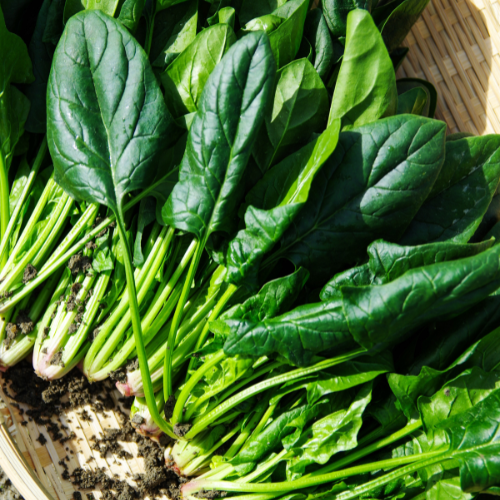
The action of Omega-3 can be increased by dark green leafy vegetables
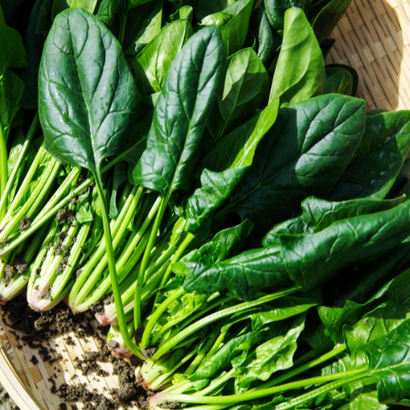
The Anti-Inflammatory Action of Omega-3 Can Be Enhanced by Dark Leafy Greens
Taking Omega-3 while following a diet rich in dark leafy green vegetables increases the concentration of essential fatty acids EPA (eicosapentaenoic acid) and DHA (docosahexaenoic acid) in red blood cell membranes. For more effective supplementation, specific dietary regimens could thus be combined with certain doses of Omega-3 in the future.
This interesting discovery, published in the Journal of Nutrition, was made by researchers from the University of California and the USDA’s Agricultural Research Service in Beltsville (USA).
Fatty Acids and Leafy Greens: A Beneficial Mix for Health
Omega-3 EPA and DHA are components of cell membranes, providing fluidity—an essential feature for cellular processes such as movement, division, and growth. In red blood cells, the level of EPA and DHA in the membrane is measured by the so-called Omega-3 Index, expressed as a percentage of Omega-3 over total fatty acids. According to the researchers, to achieve an Omega-3 Index of 8%, considered ideal for maintaining health, it would be enough to consume about 70 grams per day of dark leafy green vegetables. Among these vegetables are spinach, broccoli, and romaine lettuce. All these foods are characterized by a high content of vitamins, fiber, and antioxidants such as polyphenols.
Effect of Diet on Omega-3 Efficacy
The study involved 83 African American participants, who were randomly divided into two groups; one group received 2 grams of Omega-3, the other a placebo. Each also completed a questionnaire to report their diet. After six weeks of daily treatment, the amount of DHA and EPA in red blood cell membranes was analyzed for each participant. The results showed that among those treated with Omega-3, participants who consumed many leafy greens were more responsive to the supplement. Indeed, their erythrocyte membranes showed higher concentrations of fatty acids compared to others.
The Protective Action of Plant-Based Foods
According to the researchers, the association between vegetable consumption and Omega-3 efficacy could be due to certain properties of the vegetables. Indeed, fruit and vegetable intake reduces oxidative stress and therefore lipid oxidation. Low intake of leafy greens could thus favor peroxidation and reduce the availability of Omega-3s to become components of erythrocyte membranes. The scientists also pointed out that lipid metabolism is influenced by the gut microbiota, whose composition is affected by the amount of fiber and polyphenols ingested. These hypotheses suggest that dark leafy greens may act by modifying gut microbiota composition and Omega-3 metabolism. In any case, further studies will be needed to confirm these interactions and clarify the role individual response has on supplementation efficacy.
Source: O'Sullivan A, Armstrong P, Schuster GU, Pedersen TL, Allayee H, Stephensen CB, Newman JW. “Habitual Diets Rich in Dark-Green Vegetables Are Associated with an Increased Response to ω-3 Fatty Acid Supplementation in Americans of African Ancestry.” J Nutr. 2013 Nov 20.


