
High Triglycerides: Fighting Them With Omega-3 Is Possible
Omega-3 Counteract High Triglycerides!
Excess triglycerides in the blood pose a health risk as they are one of the main cardiovascular risk factors, along with “bad” cholesterol, high blood pressure, unhealthy lifestyle habits, and certain diseases or genetic predispositions. Cardiovascular diseases, including coronary artery disease, are the leading cause of death among adults and the elderly in most European countries. Therefore, reducing “high triglycerides” is one of the primary weapons for cardiovascular prevention and can be achieved not only through medication but also by adopting a healthy lifestyle, especially a balanced diet that includes increasing consumption of foods rich in omega-3, such as fish and certain oilseeds. The cardioprotective action of omega-3s, which work through various mechanisms to control cholesterol and high triglycerides, has been known for several years.
What Are Triglycerides and Their Functions?
Triglycerides are mainly found in adipose tissue, where they are stored inside specialized cells called adipocytes. Triglycerides can be obtained from both animal and plant foods and can also be synthesized by the body itself. Chemically, they belong to the lipid (fat) family and consist of one glycerol molecule bound to three fatty acids. Fatty acids differ based on their chain length and the presence or absence of double bonds, classified as saturated, monounsaturated, and polyunsaturated fatty acids.
Lipoproteins
Like cholesterol, triglycerides must bind to specific proteins (apoproteins) to be transported in the blood and reach body tissues, forming structures called lipoproteins. These lipoprotein particles differ in lipid and protein composition and are classified based on their density. Triglycerides provide an important energy source for the human body, supplying about 9 kcal per gram compared to 4 kcal from carbohydrates and proteins.
- Chylomicrons,
- VLDL (very low-density lipoproteins)
- LDL (low-density lipoproteins)
- IDL (intermediate-density lipoproteins)
- HDL (high-density lipoproteins).
What is the optimal triglyceride level in the blood?
The amount of triglycerides in the blood is called triglyceridemia and can be measured with a simple fasting blood test. The triglyceride concentration in the blood is mainly influenced by diet, sex, and age. Normal blood triglyceride concentration ranges between 60 mg/dl and 150 mg/dl. When this concentration exceeds the upper value, the condition is called hypertriglyceridemia, which can be mild or severe:
- Normal triglycerides: < 150 mg/dl
- Borderline triglycerides: 150-199 mg/dl
- High triglycerides: 200-499 mg/dl
- Very high triglycerides: > 500 mg/dl
Causes of High Triglycerides
In most cases, especially when triglycerides are between 150 and 199 mg/dl, hypertriglyceridemia is due to an unhealthy lifestyle, particularly an unbalanced diet and alcohol consumption. Cases caused by genetic dysfunctions, such as familial hypertriglyceridemia, are very rare (about one in a thousand). Generally, the main causes of high blood triglycerides include:
- Overweight or obesity
- Sedentary lifestyle
- Smoking
- Unhealthy eating habits
- Diabetes mellitus
- Alcohol abuse
- Kidney diseases
- Viral hepatitis
- Medication use (hormonal contraceptives, glucocorticoids)
- Genetic factors
Consequences of Hypertriglyceridemia
High triglyceride concentration in the blood favors the onset of diseases such as pancreatitis and especially cardiovascular disorders such as angina, atherosclerosis, heart attack, and stroke. In particular, high triglycerides can promote the formation of atherosclerotic plaques, which are thickenings of the inner walls of arteries that obstruct blood flow, causing atherosclerosis and other heart and blood vessel diseases. This relationship is especially significant when hypertriglyceridemia is accompanied by other risk factors, such as increased LDL (“bad”) cholesterol and decreased HDL (“good”) cholesterol. Blood triglyceride analysis is usually paired with total cholesterol, LDL, and HDL measurements to evaluate cardiovascular risk.
How to Lower Triglycerides?
Besides reducing or, better yet, eliminating risk factors such as smoking, alcohol, and sedentariness, much attention should be paid to diet. In case of high triglycerides, it is advisable to:
- Limit calorie intake to correct overweight or obesity
- Reduce consumption of simple sugars (sweets, dried fruit)
- Limit intake of foods rich in saturated fats, such as dairy and red meat
- Avoid hydrogenated fats found in snacks and baked goods
- Consume foods rich in antioxidants
- Avoid excessive carbohydrate consumption, which can be converted into triglycerides and stored in adipose tissue
- Eat fish rich in polyunsaturated fatty acids at least 2-3 times a week.
Many studies confirm the beneficial effects of fish consumption on fat metabolism and cardiovascular risk (read here). It has been shown that to achieve a 30% reduction in triglyceride concentration, it is necessary to consume between 120 and 320 grams of fish per day. This effect is due to the presence of polyunsaturated fatty acids known as omega-3. Indeed, it is well established that administration of omega-3 fatty acids leads to a significant reduction in blood triglyceride levels.
Omega-3 Against High Triglycerides
Scientific interest in polyunsaturated omega-3 fatty acids began following epidemiological studies conducted around the mid-1970s. During that period, it was observed that among the Eskimo populations of Alaska, Greenland (Inuit), and coastal Japanese residents, the incidence of ischemic disease was lower than among Eskimos who had migrated to industrialized countries and Japanese living inland. Comparing mortality between Greenland Inuit and the Danish population revealed that cardiovascular risk among the Inuit was ten times lower, and that the Inuit followed a diet based on fatty fish, which was five times richer in omega-3. Since then, numerous studies have confirmed the link between omega-3 intake and reduced cardiovascular risk.
What Exactly Are Omega-3 Fatty Acids?
As mentioned earlier, omega-3s are polyunsaturated fatty acids containing a long chain of carbon atoms, partly held together by single bonds and partly by double bonds. Various types of omega-3 exist in nature, with the most important being alpha-linolenic acid (ALA), eicosapentaenoic acid (EPA), and docosahexaenoic acid (DHA). The latter two are found in significant quantities in cold-water fish species such as salmon, tuna, sardines, anchovies, mackerel, and herring. For example, 100 grams of salmon contains 560 mg of omega-3. Primary sources of ALA are green leafy vegetables like spinach, legumes, nuts, and vegetable oils such as flaxseed and soybean oils.
ALA is an essential fatty acid, meaning it cannot be synthesized by the body and must be obtained from food. It is the precursor to DHA and EPA, but in humans, the enzymes needed to convert alpha-linolenic acid into the other two omega-3s appear to be inefficient, and this conversion mechanism is only minimally used. Therefore, consuming foods containing EPA and DHA through fish oil is important to maintain optimal levels of these two molecules.
Ratio Between Omega-3 and Omega-6
The efficiency of converting ALA into EPA and DHA is also limited by high levels of polyunsaturated omega-6 fatty acids because the enzymes that transform them “recognize” both omega-3 and omega-6. When the diet is too rich in omega-6, these enzymes act inefficiently on ALA, impairing EPA and DHA formation. This condition is very common in Western countries, where the dietary omega-6 to omega-3 ratio is approximately 15:1. This imbalance is mainly due to high consumption of omega-6-rich foods like seed oils and low fish consumption, as well as lower omega-3 content in farmed fish compared to wild fish.
Mechanism of Action of Omega-3 on Blood Triglycerides
Triglyceride reduction following omega-3 consumption occurs through several mechanisms. EPA and DHA reduce the production of triglyceride-rich lipoproteins (chylomicrons and VLDL) and accelerate their removal. Specifically, in liver cells, omega-3s slow the synthesis of an apolipoprotein, ApoB, the protein component of VLDL. This results in reduced release of triglycerides into the bloodstream. Increased removal of triglycerides is due to omega-3s enhancing the activity of an enzyme called lipoprotein lipase, located in the inner lining of blood vessels, which helps remove triglycerides from the blood by breaking them down into their components (fatty acids and glycerol).
What Is the Optimal Omega-3 Intake to Protect Heart Health?
In Europe, the new EU Regulation No. 432/2012 of May 16, 2012, states:
- Maintaining normal blood pressure requires a daily dose of 3 g of EPA and DHA.
- Maintaining normal fasting triglyceride concentrations requires a daily intake of 2 g of EPA and DHA.
Furthermore, the same regulation establishes that omega-3s "contribute to normal heart function" at a dosage of 250 mg of EPA or DHA per day.
Omega-3: Better from Fish or Supplements?
To ensure the recommended daily intake of EPA and DHA, it is necessary to consume about 200 grams of fatty fish every day, which is not always feasible. High consumption of seafood also increases the likelihood of ingesting contaminants such as heavy metals, including mercury, which is very harmful to health. This issue can be avoided by taking omega-3 supplements extracted and purified from the muscle tissue of fatty fish. The oil in these supplements is therefore free of harmful substances.
Recommended products
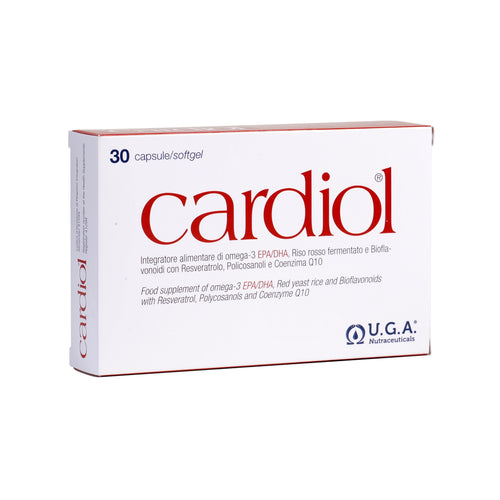
Cardiol
Nature has its aces up its sleeve, science knows how to play them. In Cardiol® we have brought together 8 strategic allies for cardiovascular well-being: from Omega-3 EPA and DHA to monacolin K from red rice, from bioflavonoids with resveratrol to coenzyme Q10, up to B vitamins.
Optimal cardiac function. Regular homocysteine metabolism. Normal cholesterol levels. These three goals are at the heart of Cardiol®, a unique supplement where every milligram is designed to make a difference.
Serving Size: 1
Number of servings: 30
Lot and expiry: 5108230 - July 2025
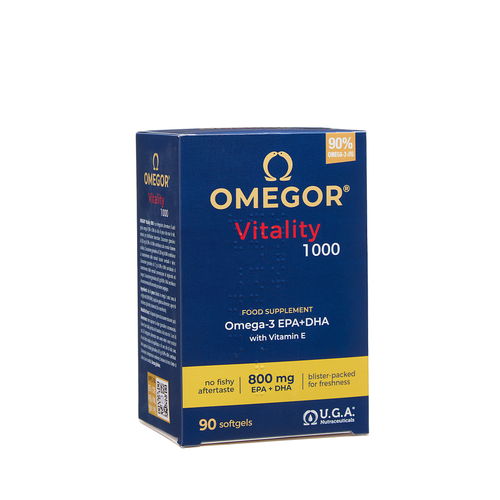
OMEGOR Vitality 1000 - 90 capsules
Just 3 words: power, freshness, purity . And always 5 stars. OMEGOR® Vitality is a concentrate of Omega-3 evaluated by IFOS (International Fish Oil Standards), the most famous quality certification in the field of Omega-3 supplements, always with the maximum score since 2005, the year of its commercialization. It is the top of the range.
Serving Size: 1-4 capsules
Number of servings: 22-90
Lot and expiry: 2605401 - 06/2029

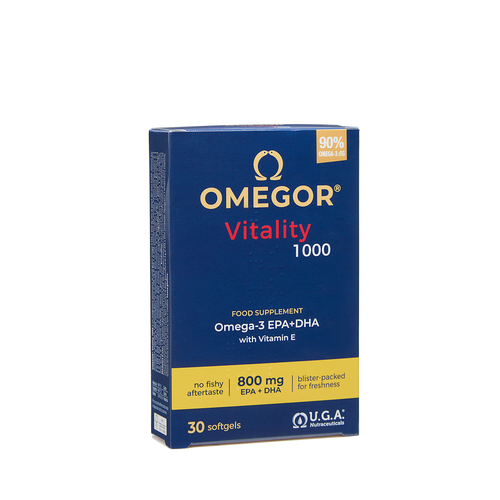
OMEGOR Vitality 1000 - 30 capsules
Just 3 words: power, freshness, purity. And always 5 stars. OMEGOR® Vitality is a concentrate of Omega-3 evaluated by IFOS (International Fish Oil Standards), the most famous quality certification in the field of Omega-3 supplements, always with the maximum score since 2005, the year of its commercialization. It is the top of the range.
Serving Size: 1-4
Number of servings: 7-30
Lot and expiry: 258807- 10/2028
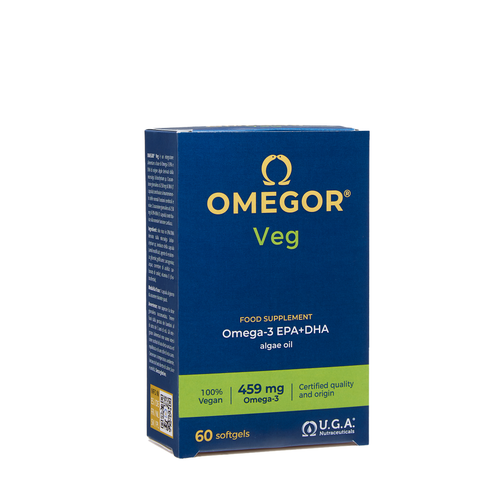
OMEGOR Veg
Omega-3 is not only found in fish, did you know? Nature offers us a precious alternative: the microalgae Schizochytrium sp, a natural source of DHA (docosahexaenoic acid) and EPA (eicosapentaenoic acid). Omegor® Veg contains and concentrates these Omega-3 in capsules certified by the Vegan Society and with IFOS 5 stars certification (the maximum), very rare in products of algal origin.
Serving Size: 1
Number of servings: 60
Lot and expiry: 2605201 - 04/2028


