
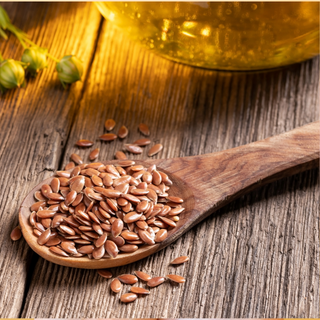
Omega-3 Rich Flaxseeds Protect Lungs From X-Rays

Flaxseeds: these plant-based Omega 3 protect the lungs from X-rays
Flaxseeds, rich in Omega 3 and antioxidants, may be useful to enhance the effectiveness of therapies based on chest X-ray treatments. This is suggested by a study conducted on mice by a group of researchers led by Melpo Christofidou-Solomidou, from the Department of Medicine at the University of Pennsylvania (Philadelphia, USA), published in Cancer Biology & Therapy. According to the researchers, taking these seeds before treatment increases the resistance of lung tissues to radiation.
Flaxseeds, a source of anti-inflammatory and antioxidant agents
Flaxseeds are dietary sources of Omega-3, essential fatty acids with strong anti-inflammatory properties. They also contain molecules known as lignans, which have antioxidant properties. Christofidou-Solomidou and colleagues decided to test their potential in protecting tissues from the damaging effects of X-rays, used to treat patients with lung cancer. In fact, 30% of individuals treated with X-rays for lung tumors experience significant damage to healthy tissues after therapy. In 10-15% of cases, radiotherapy causes lung damage even in patients with other forms of cancer located in the chest. This side effect is mainly due to oxidative stress and inflammation triggered by the high doses of radiation required for effective therapy. To prevent damage, the X-ray dose should be reduced. Alternatively, the treatment could be combined with the administration of a radioprotective agent. However, before this research, no one had evaluated the possibility that this protection could come from the Omega-3 and lignans present in flaxseeds.
The study
The authors divided the mice into 2 groups:
- the diet of the first group was supplemented with 10% flaxseeds;
- the other animals received an identical diet but without the supplement.
After 3 weeks, all mice were treated with the same dose of chest X-rays. After 24 hours, only the animals that had consumed flaxseeds showed a reduction in the expression of certain molecules associated with oxidative stress. This effect, the researchers explain, is due to the action of lignans. In fact, administering these molecules to cells grown in the laboratory reduced the production of factors responsible for radiation-induced oxidative stress. The anti-inflammatory action of Omega-3, on the other hand, helped reduce inflammation cell levels in lung tissues 4 months after treatment. Finally, flaxseed administration protected the lungs from fibrosis.
Protection yes, but only for healthy tissues
The researchers emphasize that flaxseeds exert a protective action only on healthy lung tissues. In fact, when lung cancer cells were injected into the mice, the supplement intake did not spare them from the effects of X-rays. For all these reasons, flaxseeds could be a valuable aid to increase the effectiveness of radiotherapy.


